Products / Lactic acid fermented probiotic beverage
Simon
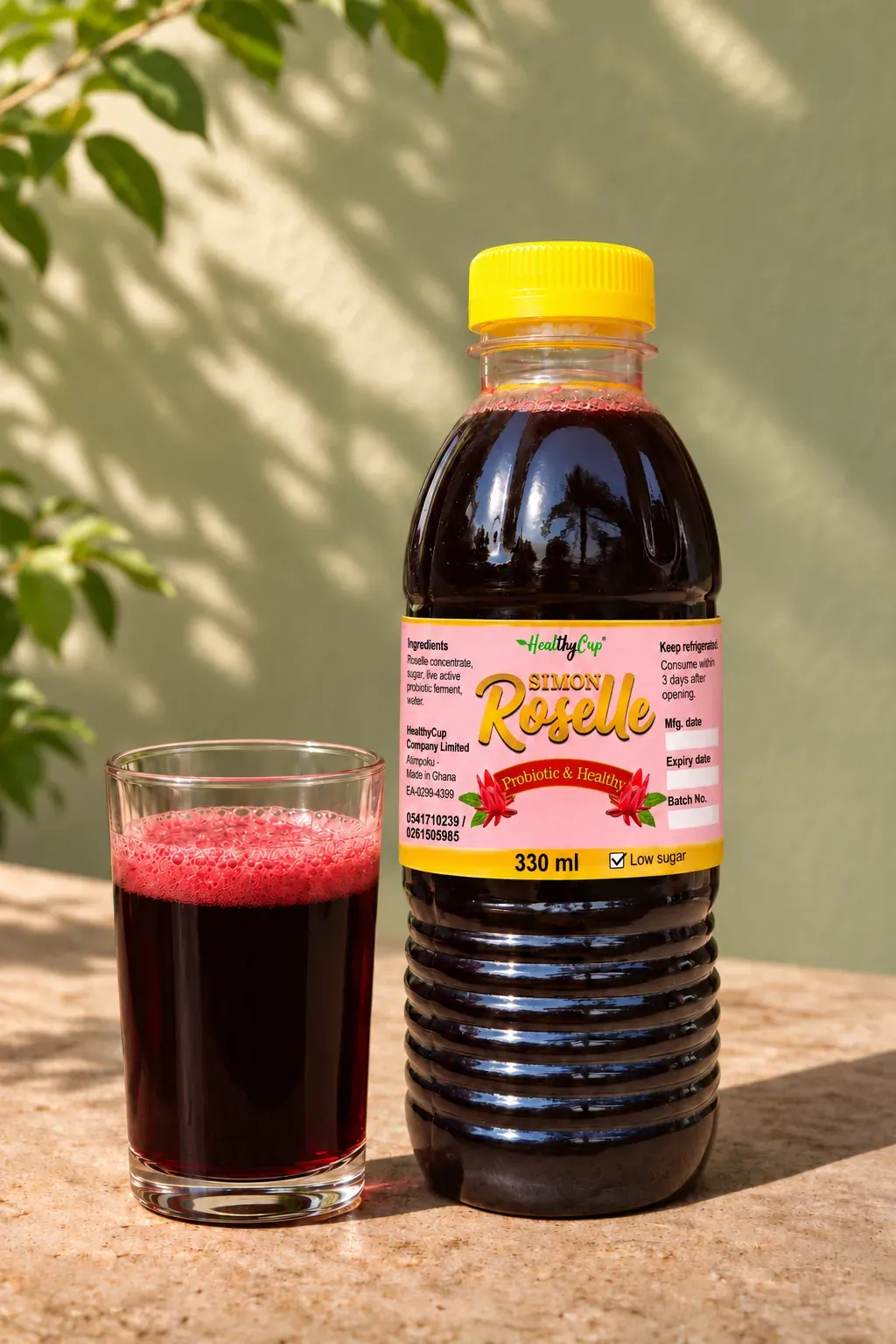
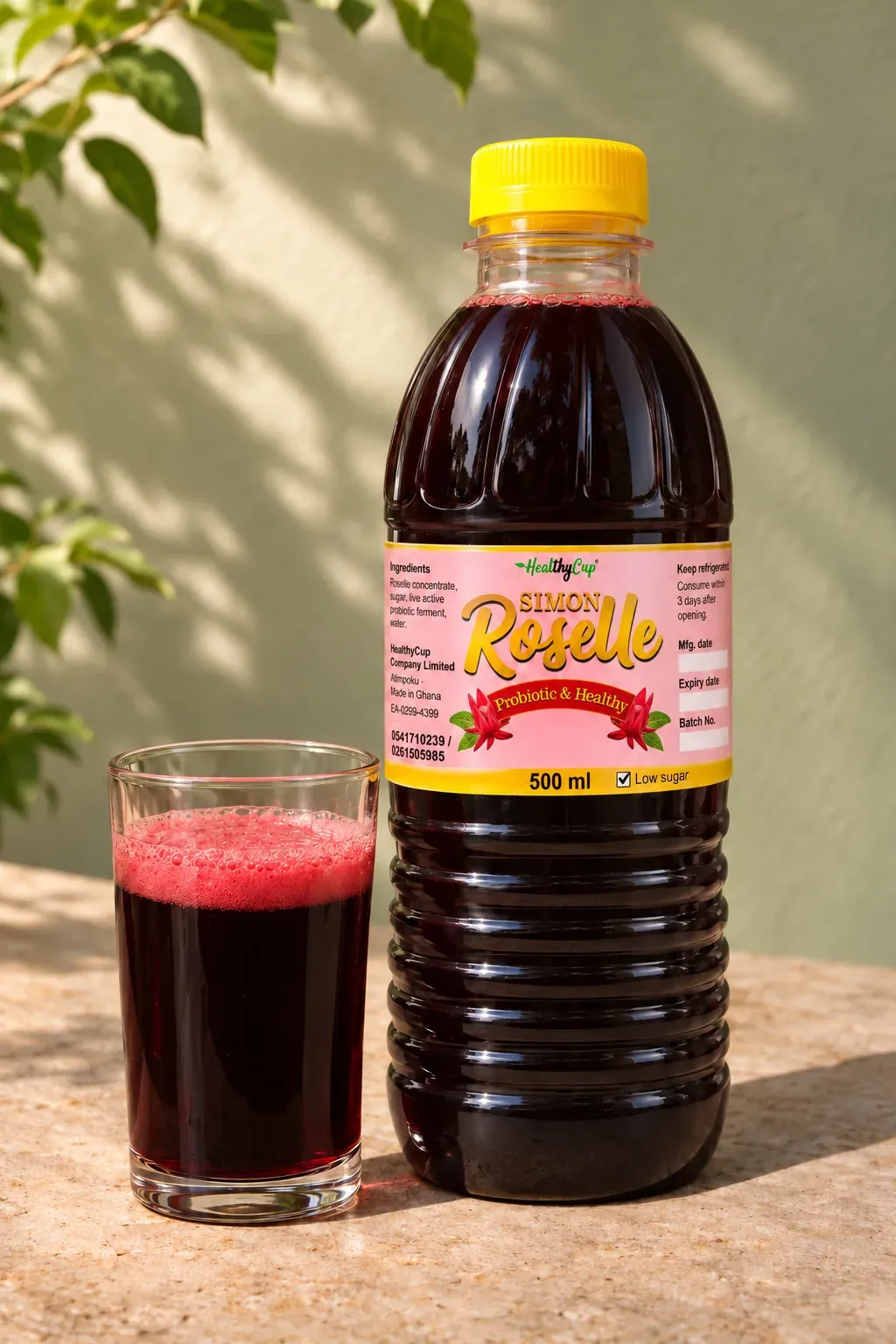
Deep ruby, bright, with a crown of fine pink fizz.
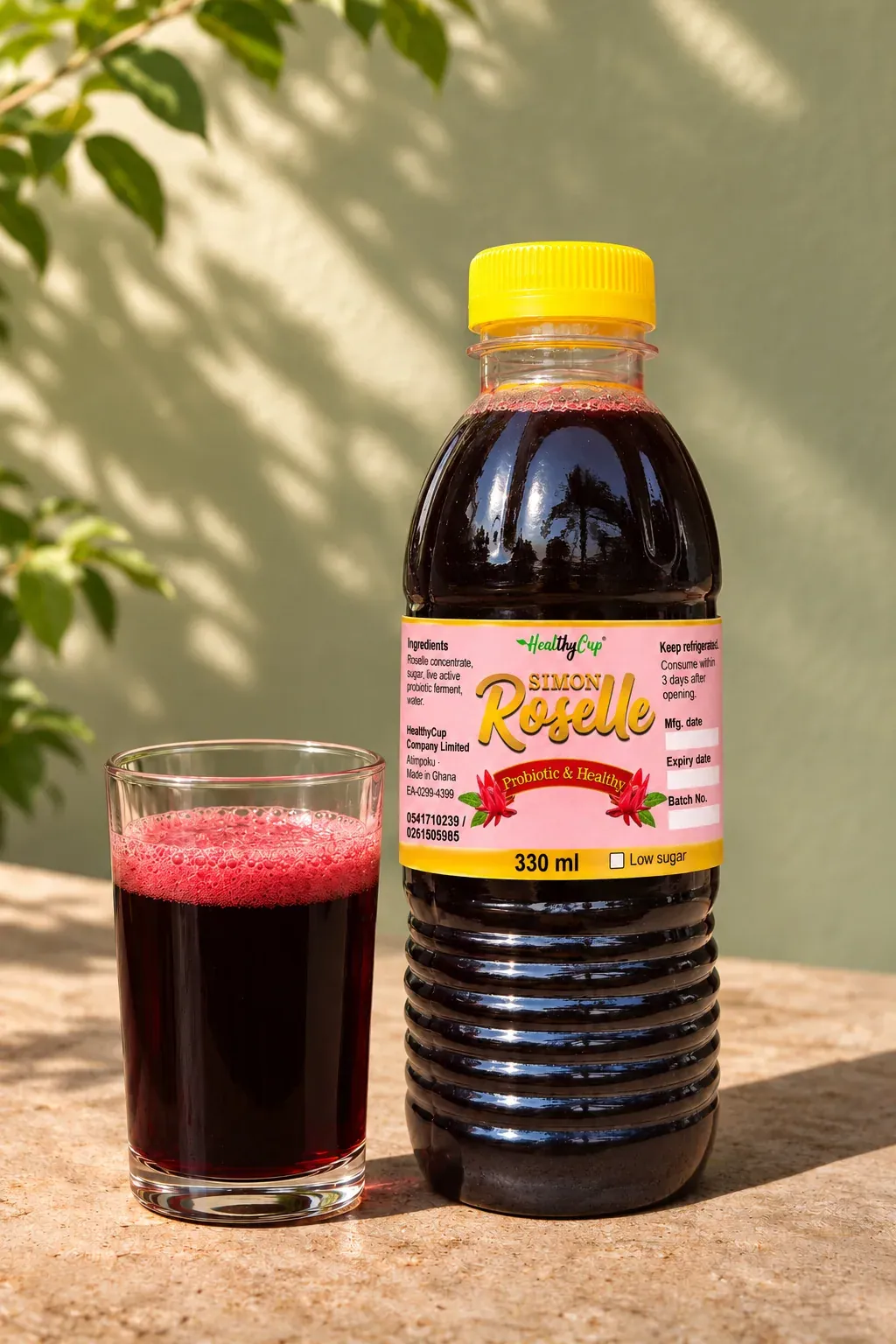
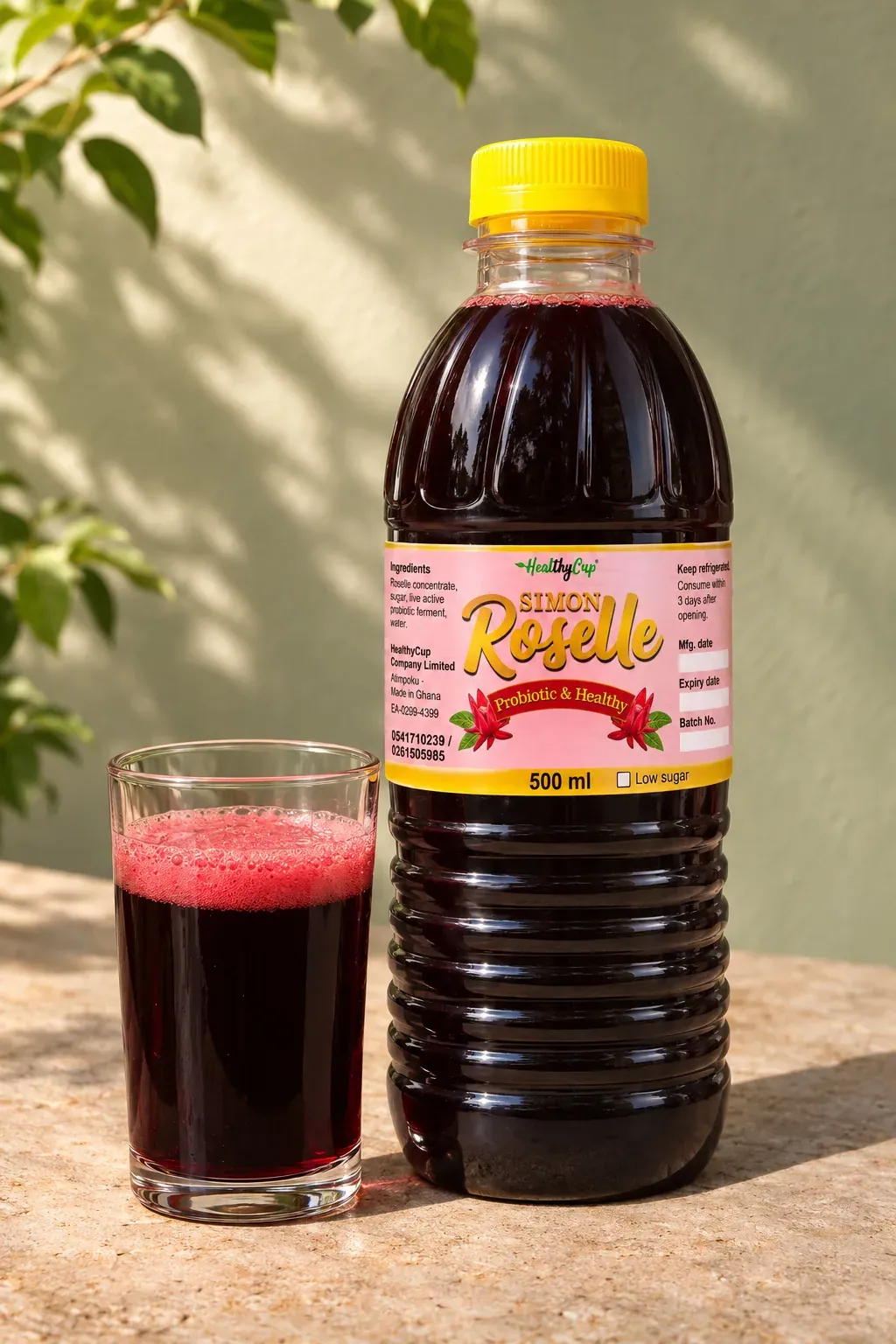
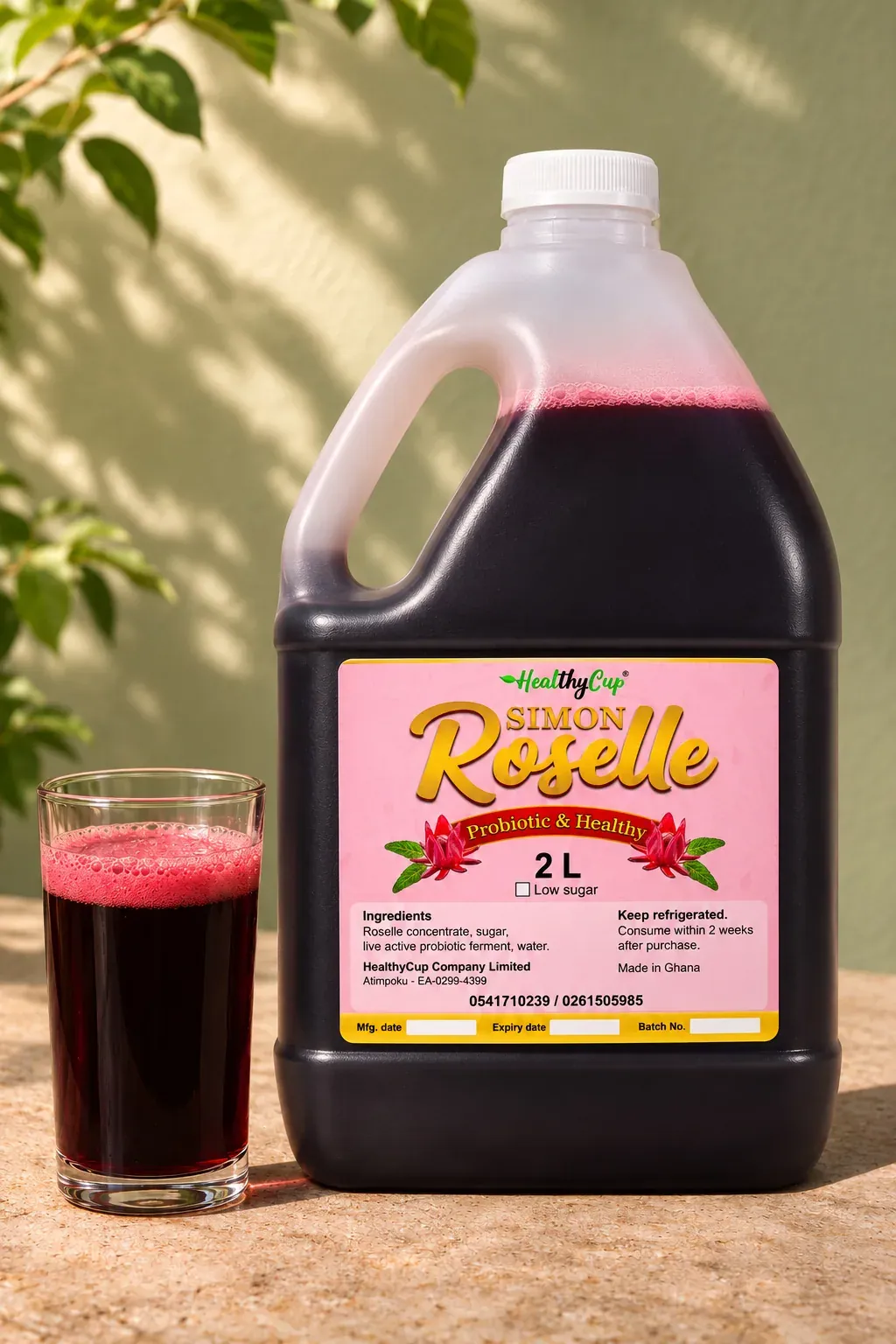
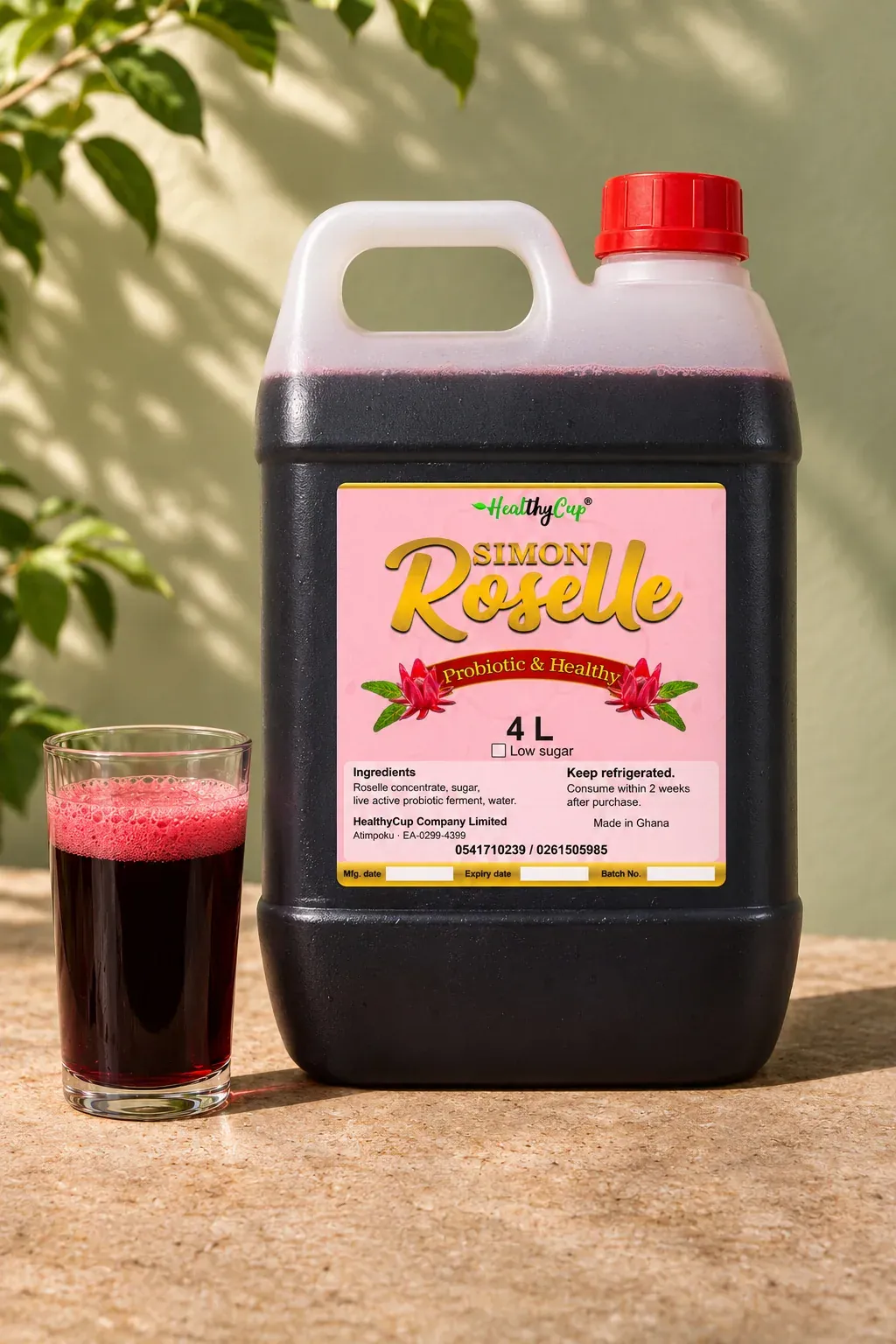 Original
Tastes like cranberry, with a pop of fizz and a sweet smell. Made with probiotic culture. No ginger, no spice: this isn’t sobolo, it’s Simon Roselle.
The original recipe: bright, tart, and lightly fizzy.
- 330 mlOn the go · ≈1 glassGH₵ 8
- 500 mlJust for you · ≈2 glassesGH₵ 10
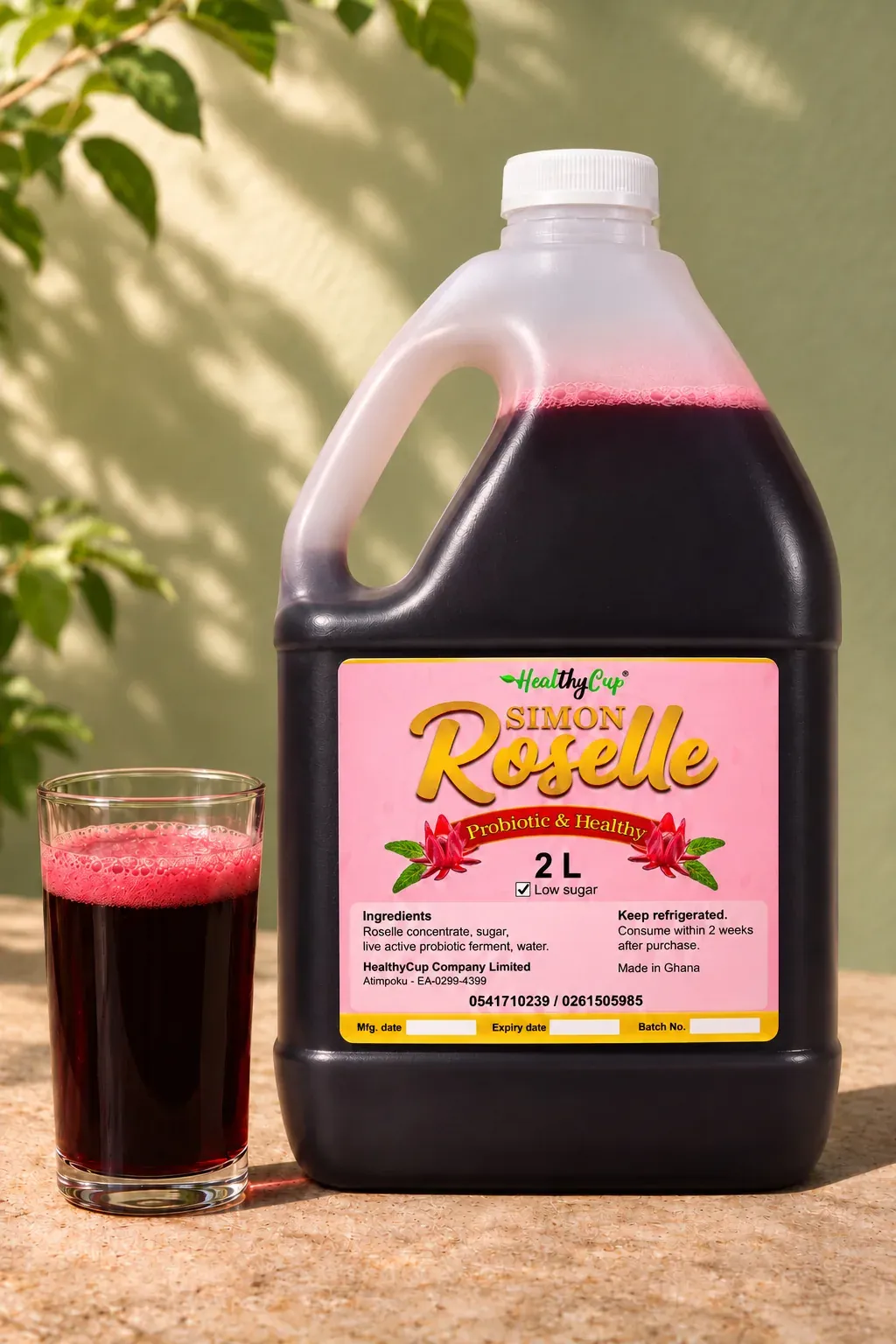
- 2 LFor the household · ≈8 glassesGH₵ 50
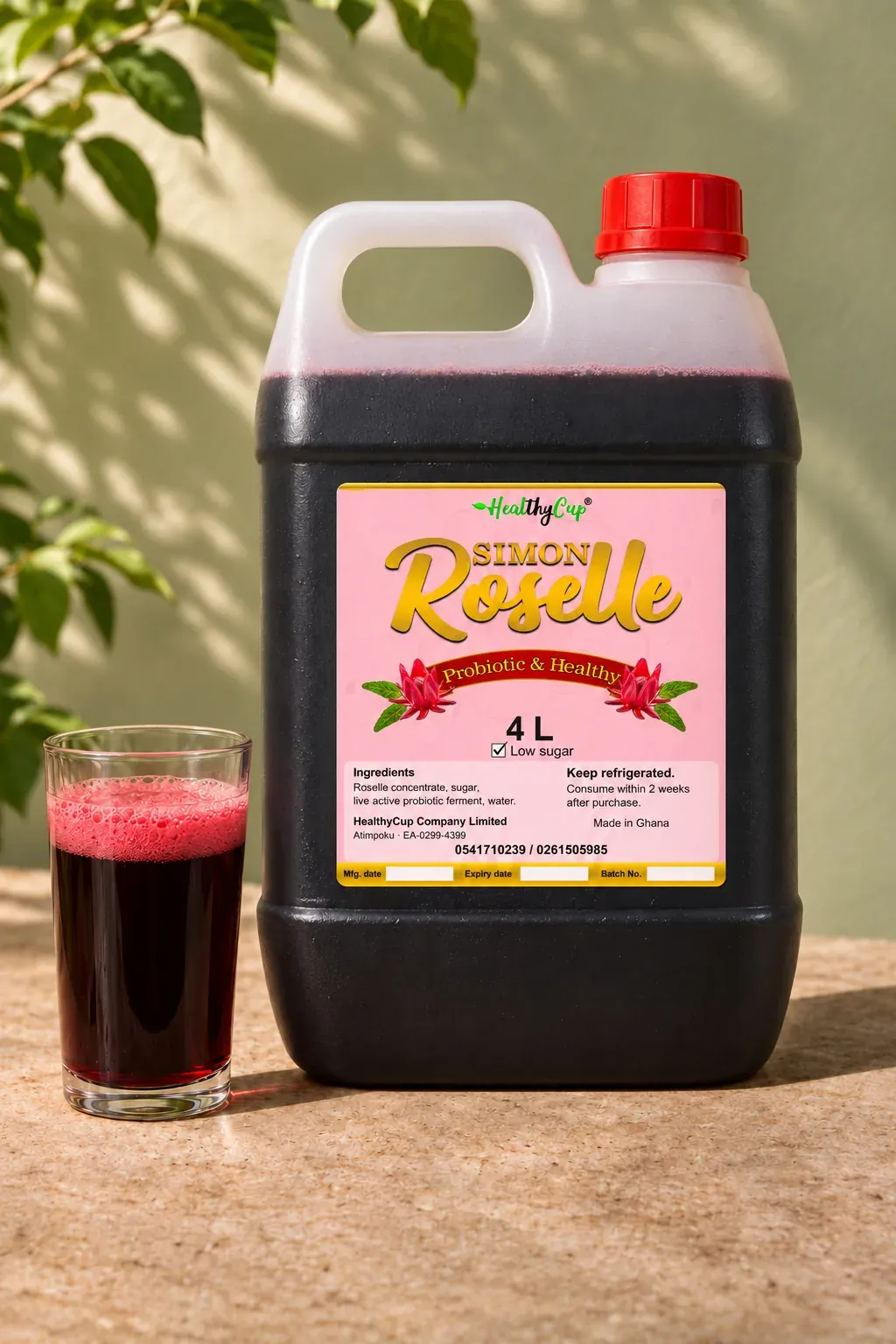
- 4 LFor sharing · ≈16 glassesGH₵ 80
The ruby-red that makes your insides smile.
Trust your guts.
Why people make it a habit
What the science says- 01
A habit worth keeping
Many people make Simon Roselle part of how they look after themselves — a lactic acid fermented drink with live culture, enjoyed as part of a balanced diet.
- 02
In place of the usual soft drink
Real , probiotic culture, and a low-sugar option, for the moments you’d otherwise reach for a soda.
- 03
Four ingredients, named plainly
Roselle concentrate, sugar, probiotic culture, and water. We tell you exactly what’s in the bottle and share the science behind it, so you can decide for yourself.
General information
The benefits of probiotics
Probiotics can support the body in several ways. The type and the amount make a difference, and every body is different.
- A balanced gutThey add friendly bacteria to the community already living in your gut, helping keep it in balance.
- Good digestionThey help your body break down the food you eat.
- More from your foodThey help your body absorb nutrients, and some make vitamins of their own.
- Staying regularSome probiotics help keep your bowels moving regularly.
For Simon Roselle
Simon Roselle is a functional food: a food that offers health benefits beyond basic nutrition. It’s made with probiotic culture, and many people make it part of how they look after themselves, alongside a balanced diet.
What’s in the bottle
- Ingredients
- concentrate, sugar, probiotic culture, and water.
- Sugar
- The sugar is there for the culture, which breaks it down during lactic acid fermentation. Prefer less? Choose our low-sugar Simon Roselle.
- Probiotic culture
- Culture drives the lactic acid fermentation, not alcoholic fermentation. It’s where the fizz and the tart, sour taste come from.
- Taste
- Like cranberry, with a pop of fizz, a sweet smell, and a tart, sour taste from lactic acid fermentation. Best served cold.
- Its own drink
- Simon Roselle begins with roselle concentrate and probiotic culture, rather than sweetened tea and a SCOBY. It isn’t sobolo either: sobolo in Ghana is usually spicy with ginger, and Simon Roselle has none.
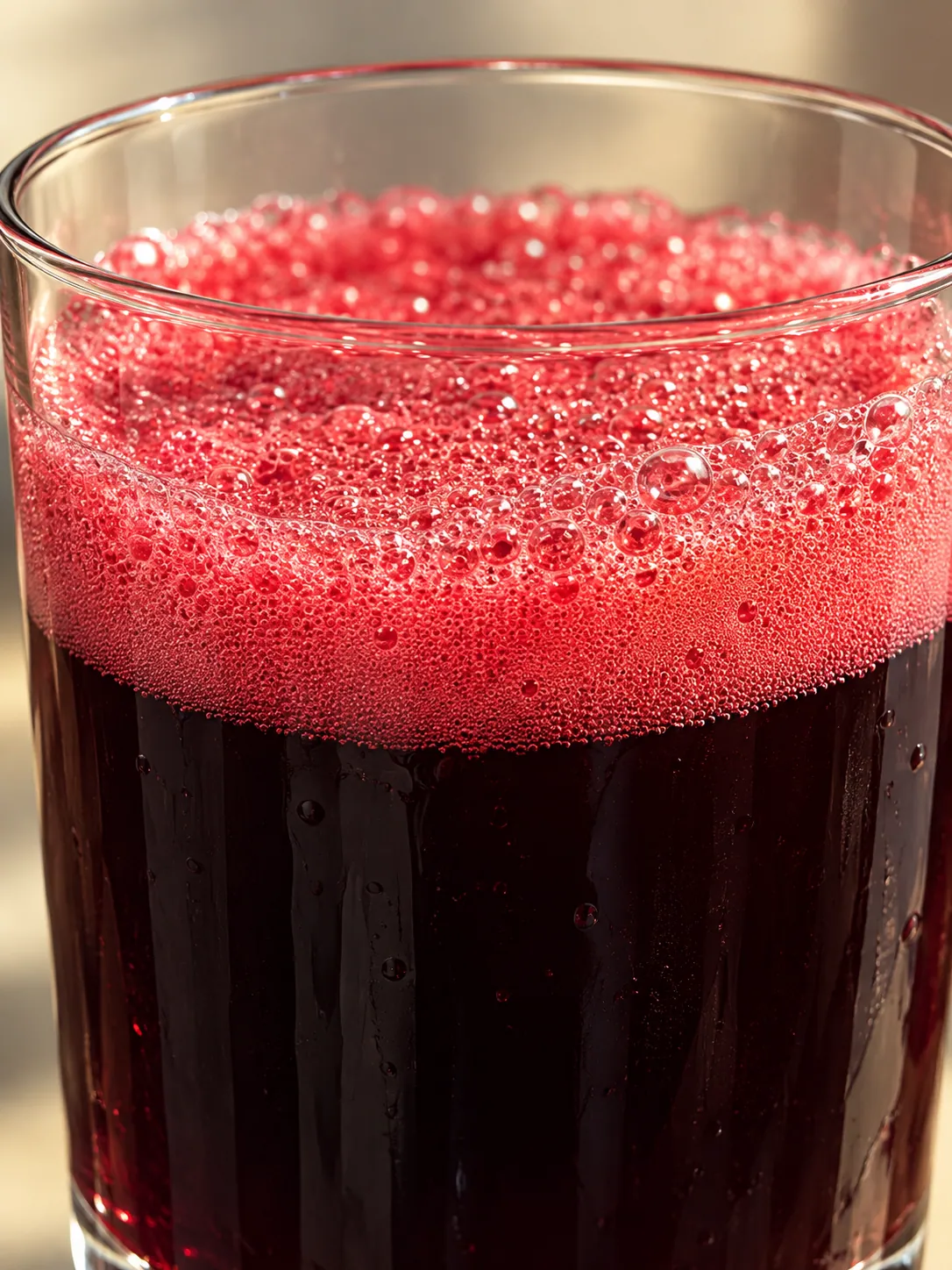
Tart, lightly fizzy, and best served cold.
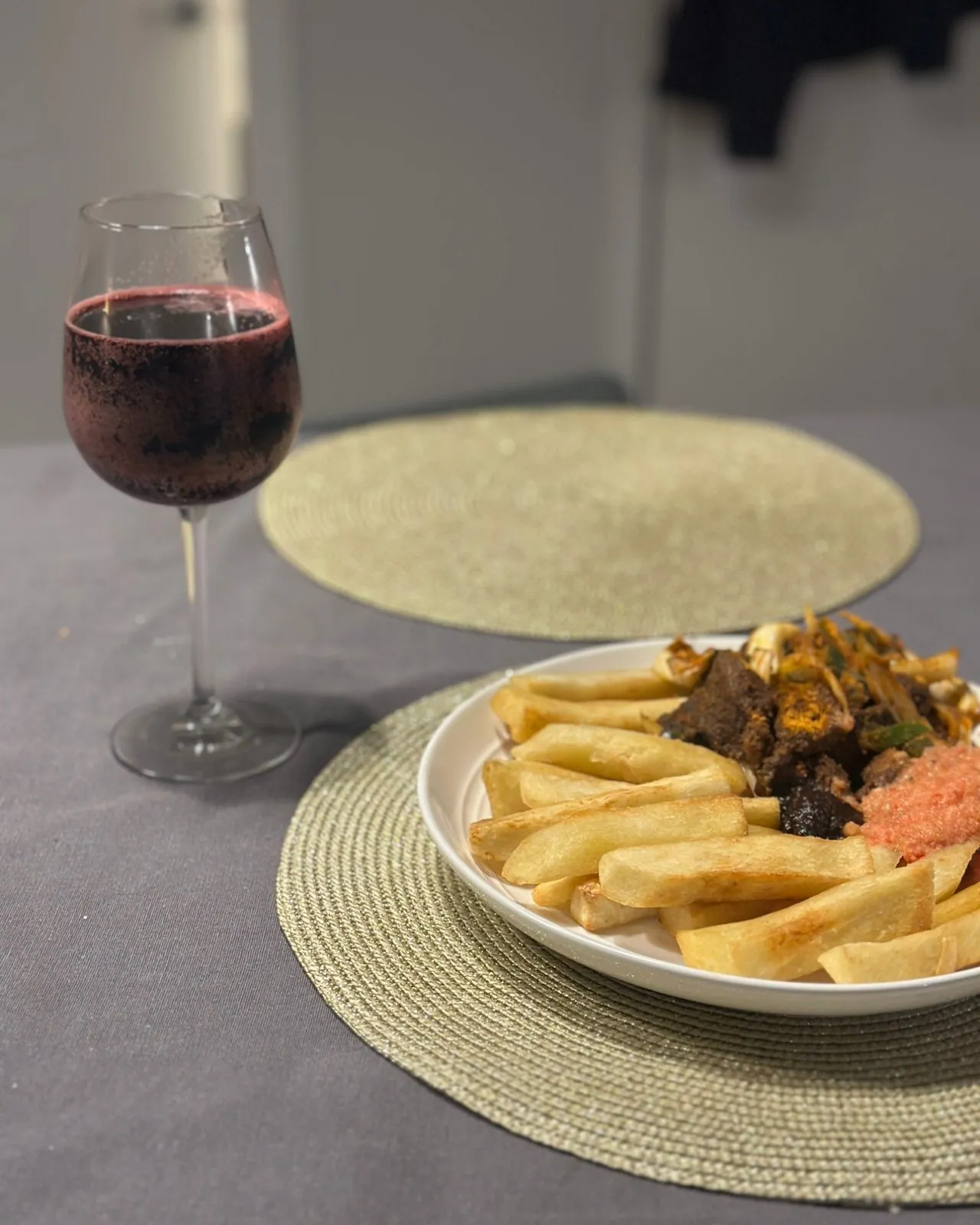
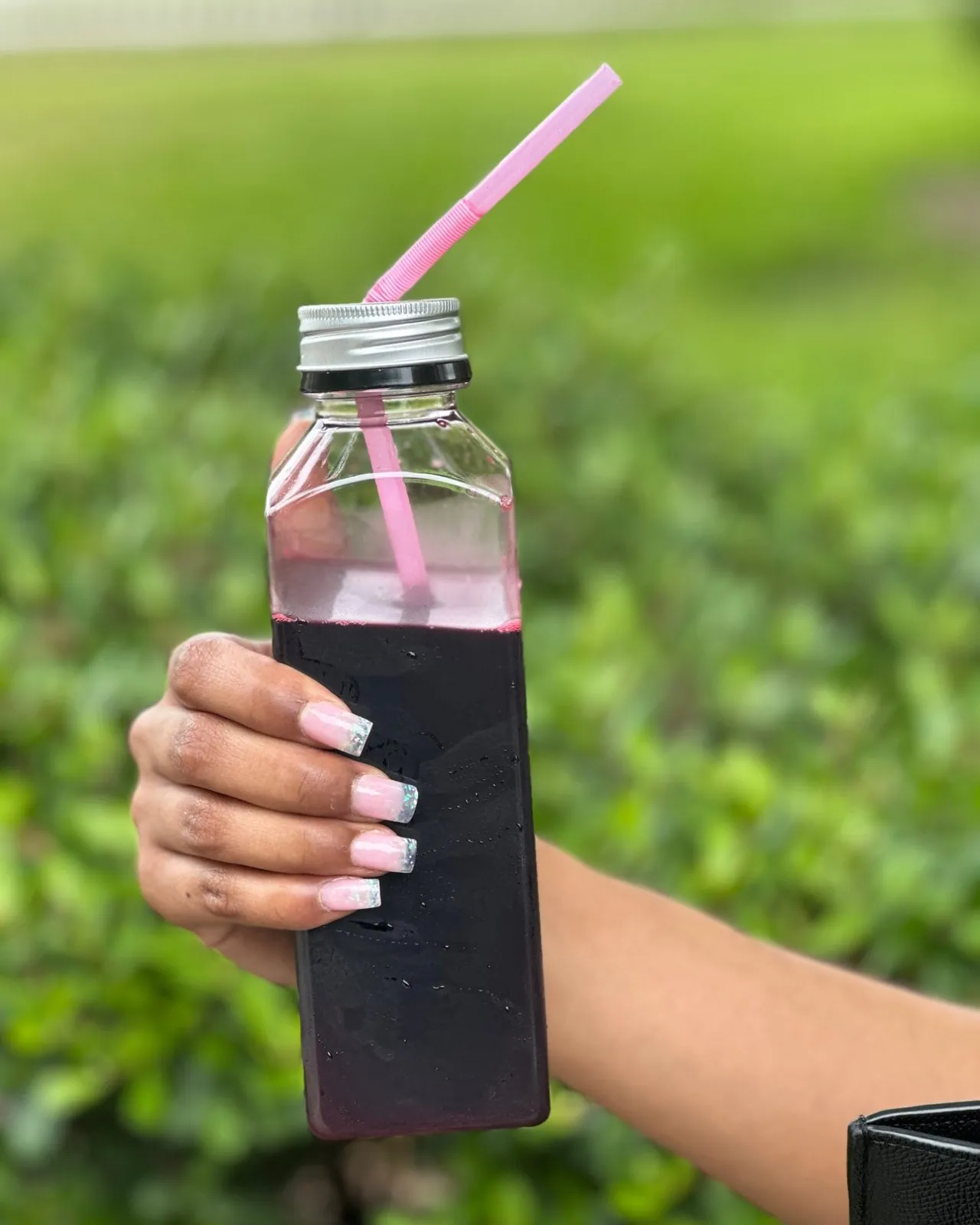
With any dish, or on the go.
From our own table
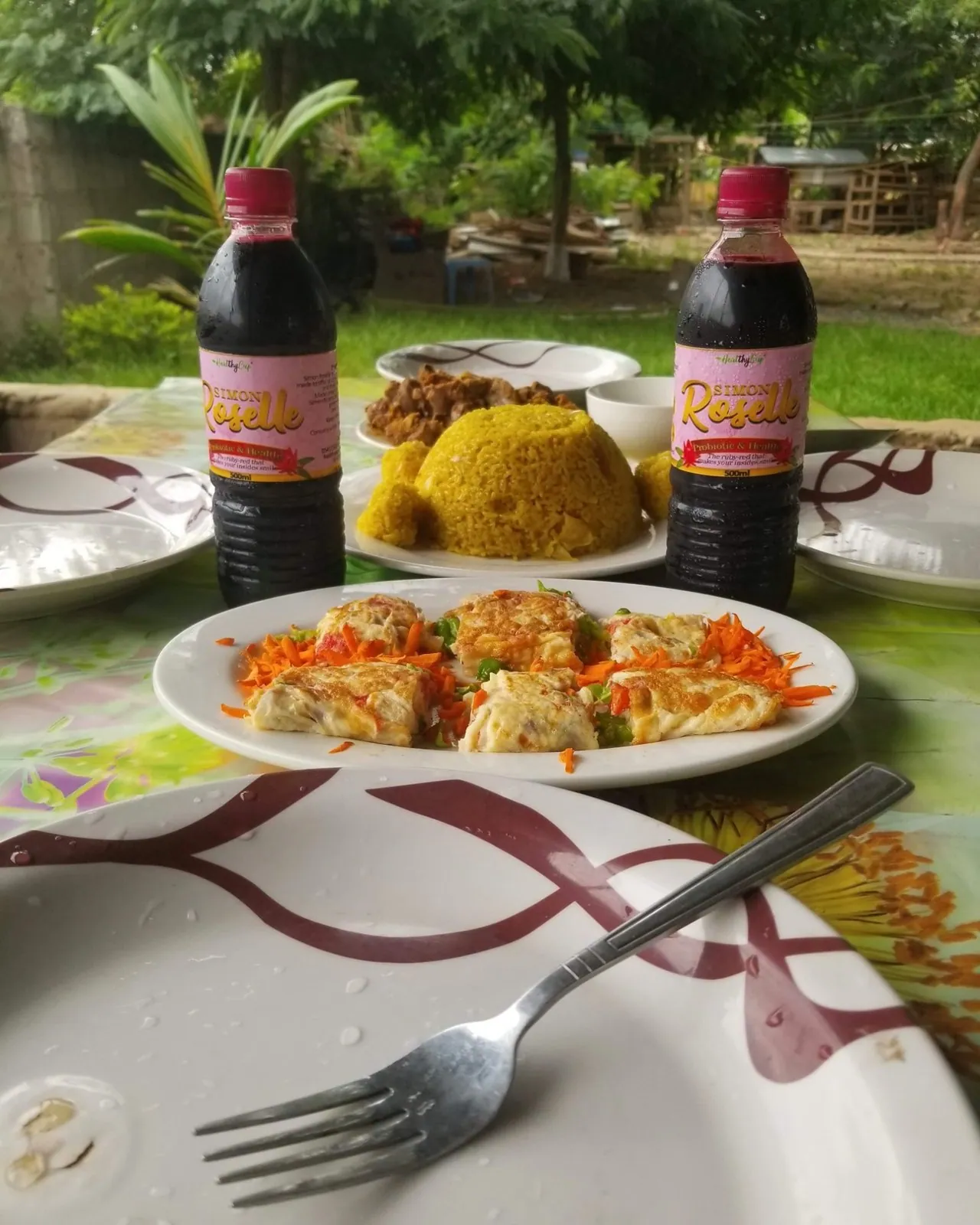
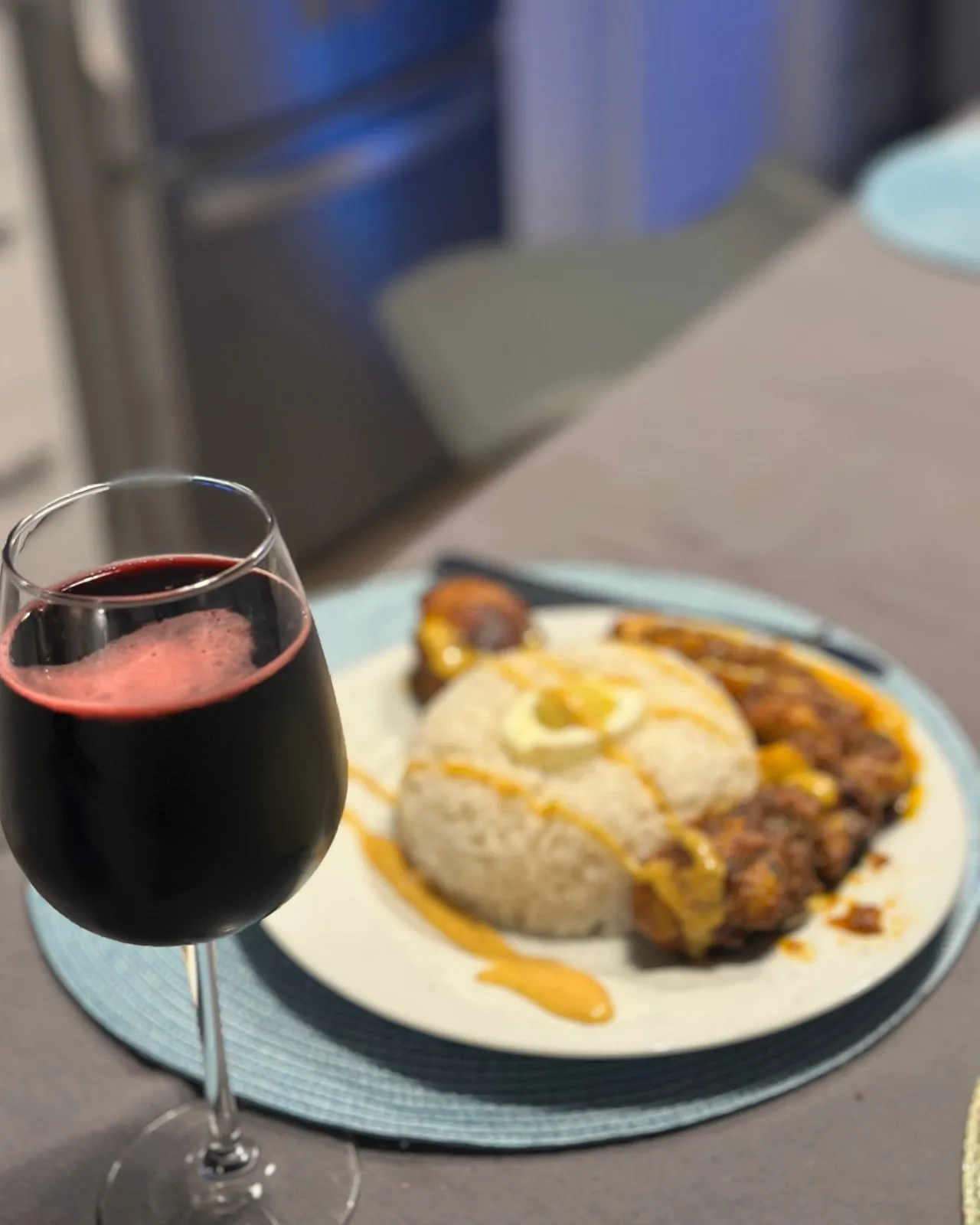
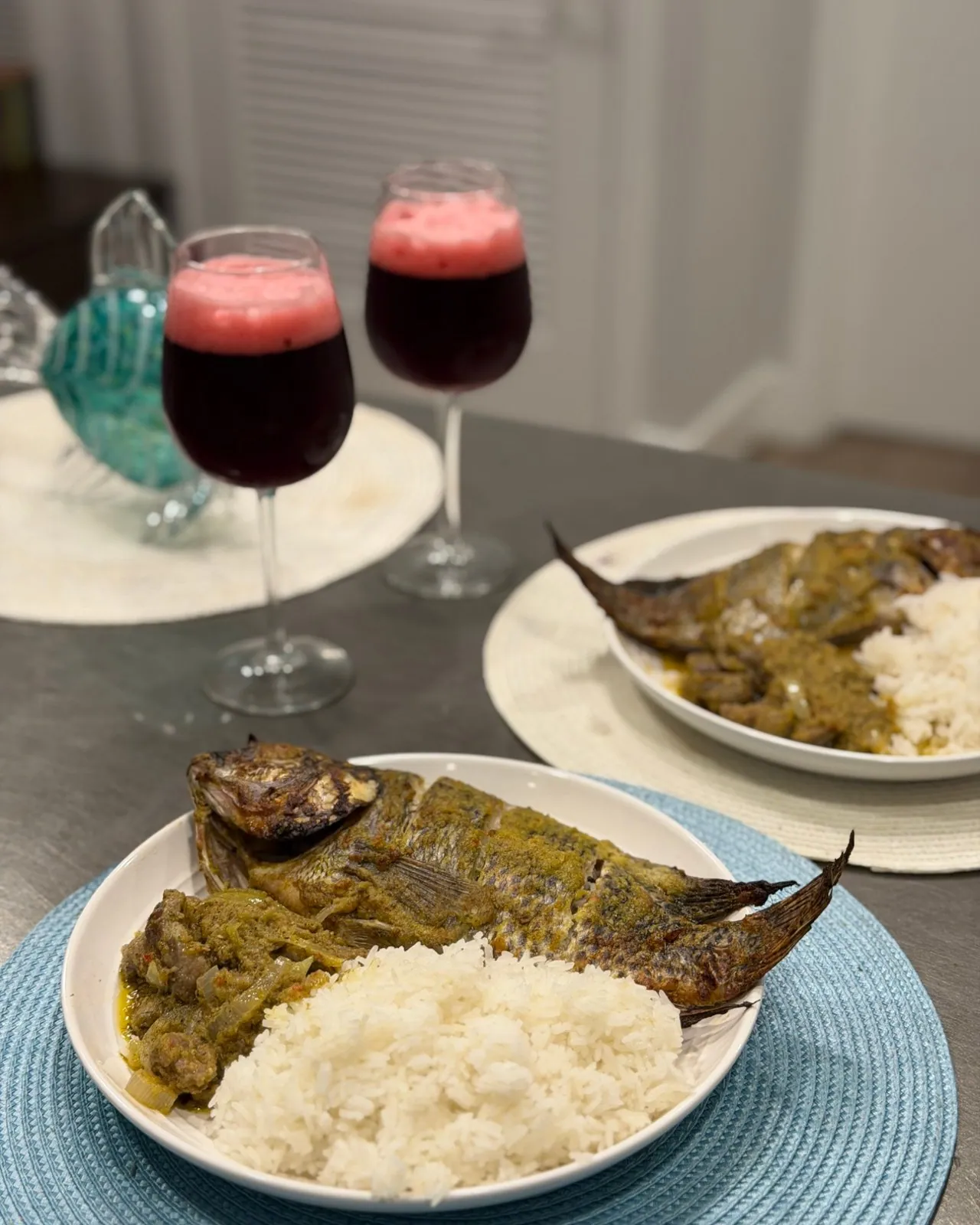
The whole family
8 bottles
Living with Roselle
- 01
Keep it cool
Keep it refrigerated.
- 02
Open gently
It’s lively. Take your time with the cap.
- 03
Enjoy it fresh
Finish a 2 L or 4 L jug within two weeks of buying it, and a 330 ml or 500 ml bottle within three days of opening.
Questions
All questionsWhat is roselle?
The red plant behind sobolo. You may know it as sobolo leaves, zobo, or hibiscus.
What does Simon Roselle taste like?
Like cranberry, with a pop of fizz, a sweet smell, and a tart, sour taste. Best served cold.
What can I have it with?
Enjoy Simon Roselle with any dish, or on the go. At home we have it with rice and chicken stew, rice and tilapia, and fried yam.
Is Simon Roselle a probiotic beverage?
Yes. Simon Roselle is a lactic acid fermented roselle drink made with probiotic culture.
Does Simon Roselle contain alcohol?
Only a negligible amount. Simon Roselle goes through lactic acid fermentation, not alcoholic fermentation. The cultures turn sugar into lactic acid, which makes it tart, and carbon dioxide, which makes it fizzy. Alcoholic fermentation is the kind that makes beer and wine.
Why does it fizz when I open it?
The fizz is the culture’s own work: during lactic acid fermentation it makes carbon dioxide, which is the bubbles. It’s lively, so open the cap gently.
Is Simon Roselle the same as sobolo?
No. Sobolo in Ghana is usually spicy, because ginger goes into it. Simon Roselle has no ginger. It goes through lactic acid fermentation with probiotic culture, and it tastes like cranberry, with a pop of fizz and a sweet smell. It isn’t sobolo. It’s Simon Roselle.
Is it kombucha?
No. Kombucha is typically made by fermenting sweetened tea with a SCOBY. Simon Roselle begins with roselle concentrate and goes through lactic acid fermentation with probiotic culture. It’s fizzy like kombucha, with its own ingredients and Ghanaian origin story.
Does it contain sugar?
Yes. The sugar is there for the culture, which breaks it down during lactic acid fermentation. Prefer less? Choose our low-sugar Simon Roselle.
What is the difference between Original and Low sugar?
Low sugar is the same roselle and the same culture, made with less sugar. Original is the first recipe: bright, tart, and lightly fizzy.
How should I store Simon Roselle?
Keep it refrigerated and open it gently. Finish a 2 L or 4 L jug within two weeks of buying it, and a 330 ml or 500 ml bottle within three days of opening. If you need help with a particular bottle, contact HealthyCup directly.
Which Simon Roselle sizes can I choose?
Simon Roselle comes in 330 ml, 500 ml, 2 L and 4 L. The 330 ml is GH₵ 8, the 500 ml is GH₵ 10, the 2 L is GH₵ 50, and the 4 L is GH₵ 80, for Original and Low sugar alike. We confirm availability and any delivery arrangements before payment.
Is Simon Roselle FDA approved?
Yes. Simon Roselle has an FDA certificate. If you have any questions about it, our team is happy to talk.