
From our home to your cup.

Illustration / the Adomi Bridge over the Volta, near Akosombo — after a photograph by Eggi, CC BY-SA 3.0 DE

I’m Simon. Yes, the Simon on the bottle.

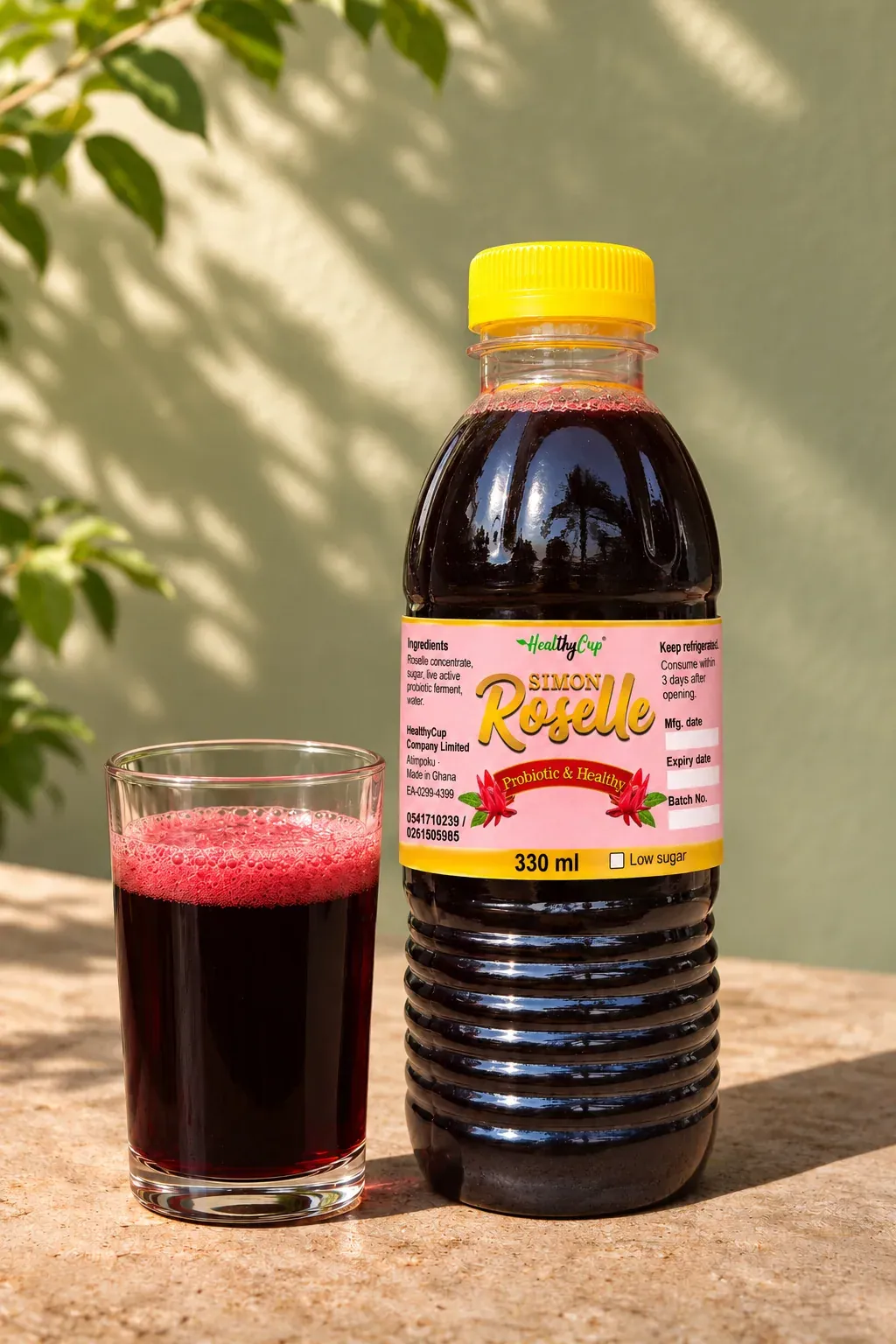
A bottle of Simon Roselle beside a glass of it
Simon, smiling, in glasses and a graduation stole

My mother and I run HealthyCup together in Akosombo, Ghana. If you had told us in the beginning that a drink we were making at home would become a business, I’m not sure either of us would have believed you. We were curious about making food, we had a few things we wanted to try, and people around us were always willing to have a taste.

That is really how it started. There was my mother’s knowledge, my interest in experimenting, and eventually a drink people kept coming back for.

But to explain how we got here, I have to start with her.

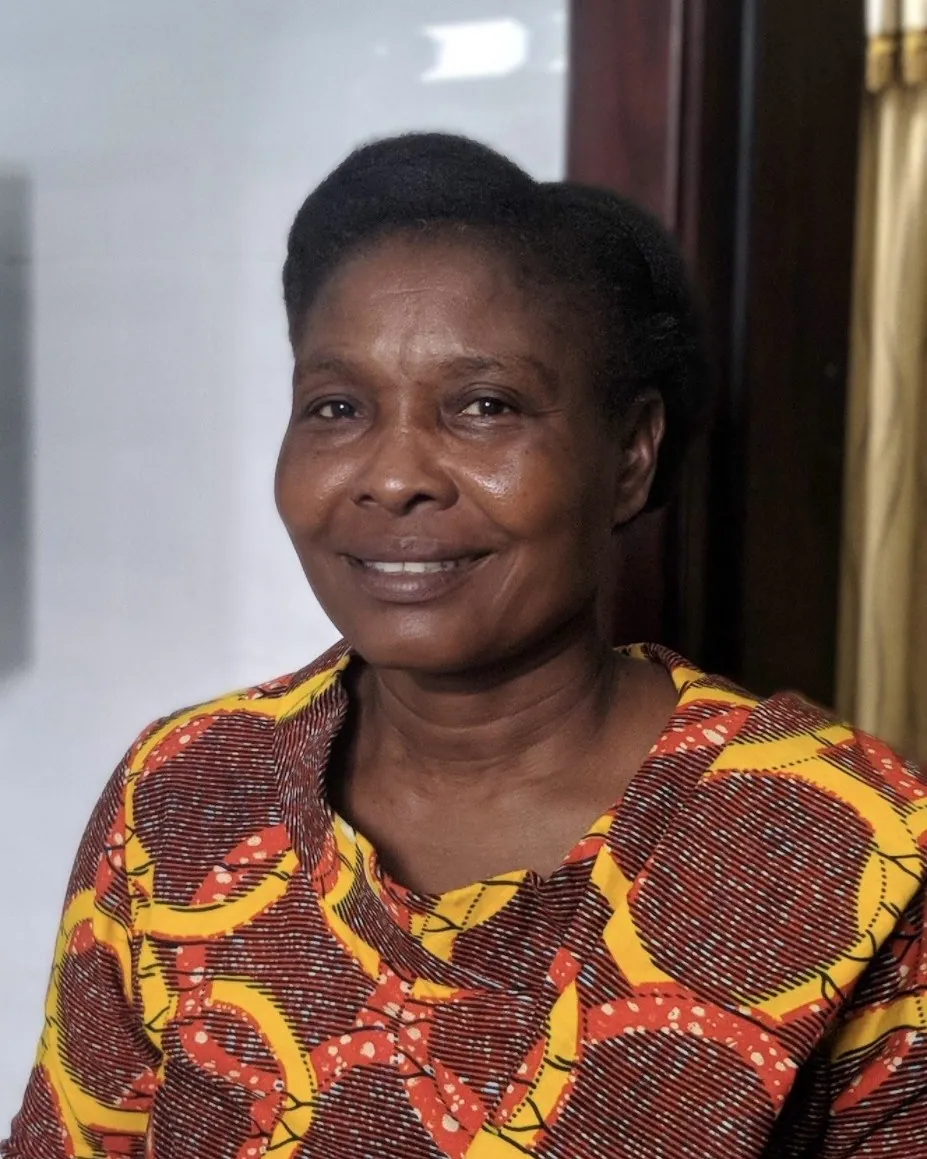
Simon’s mother, smiling, in a red and yellow print dress
Illustration / my mother’s college notebook

01The notebook

My mother had already given us somewhere to begin.

My mother studied agriculture before becoming a school principal. She still had her college notebook, with notes on things like beekeeping, raising animals, and making yoghurt. Those were things she had learned that we could actually do, so we began trying some of them at home.

We started with bees, and later I became interested in yoghurt. When I successfully made yoghurt using a culture, I wanted to keep working with it. The difficulty at the time was getting fresh cow’s milk. It wasn’t easy to find, and powdered milk was expensive and didn’t give us the taste we wanted.

So there were times when we were simply waiting for the next batch of milk. During one of those waits, I had an idea.
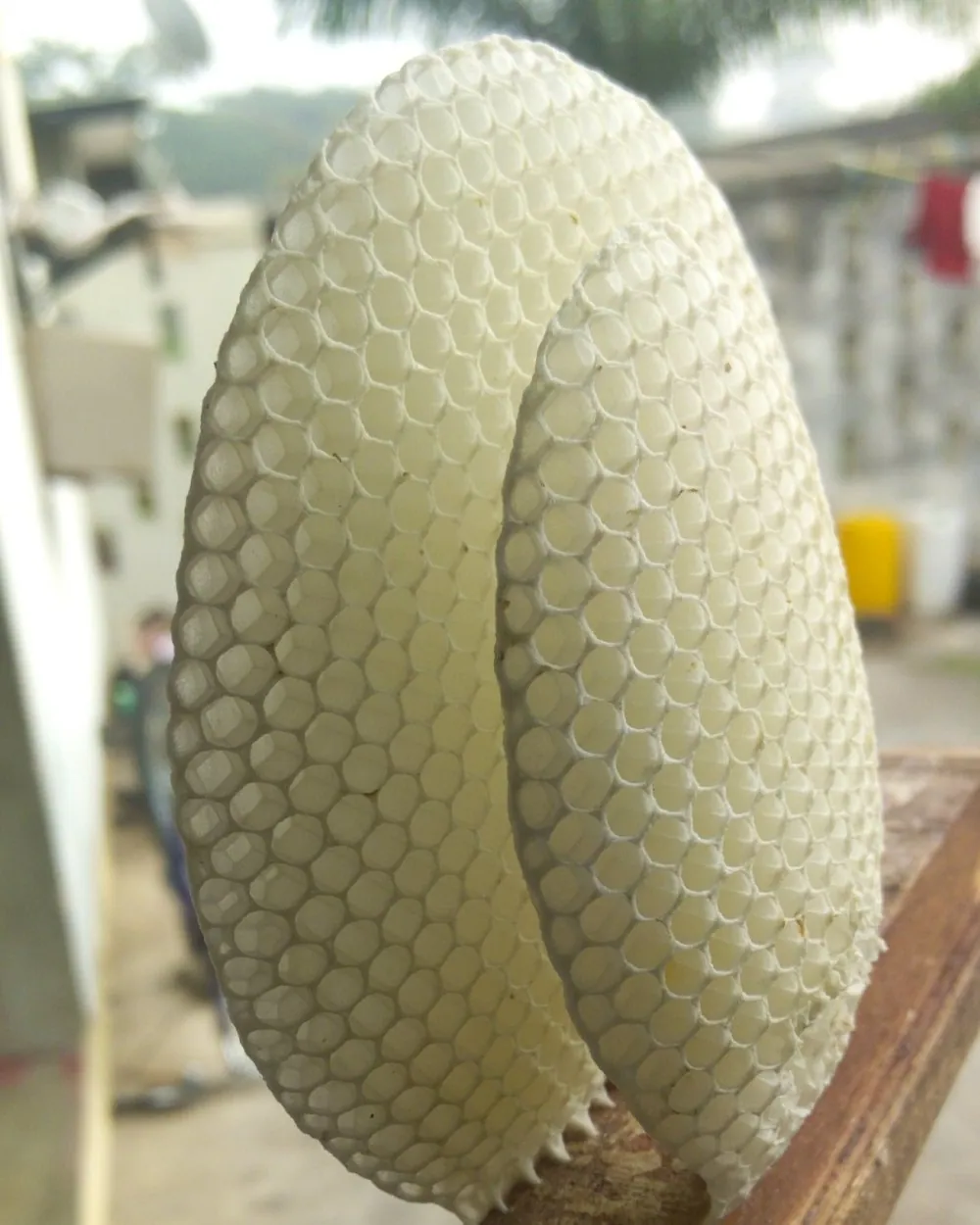
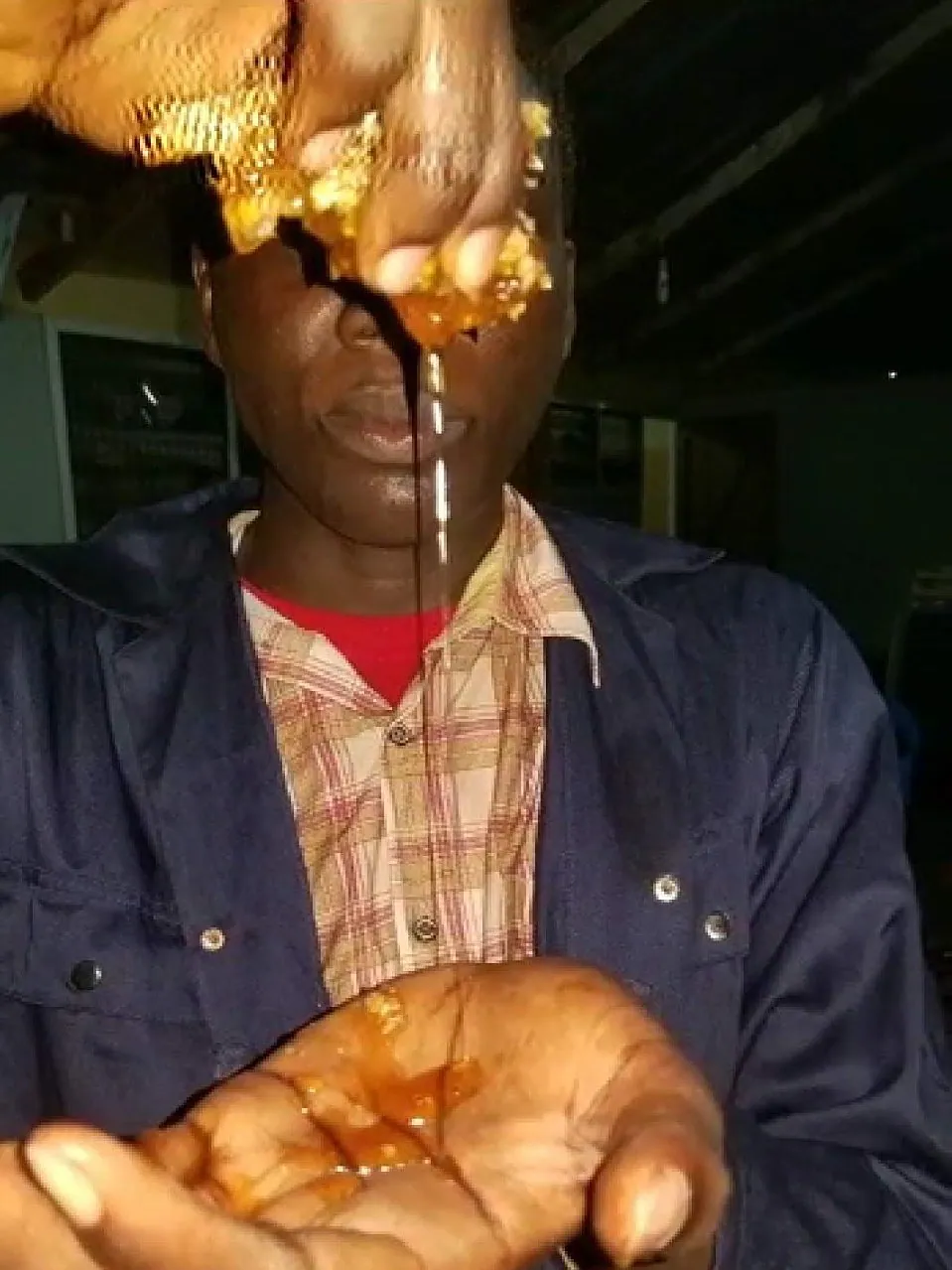
Beekeeping

A pale new honeycomb built along a wooden hive bar
fresh honeycomb from our hive
Simon squeezing a piece of honeycomb, with honey running into their other hand
tasting our first batch of honey

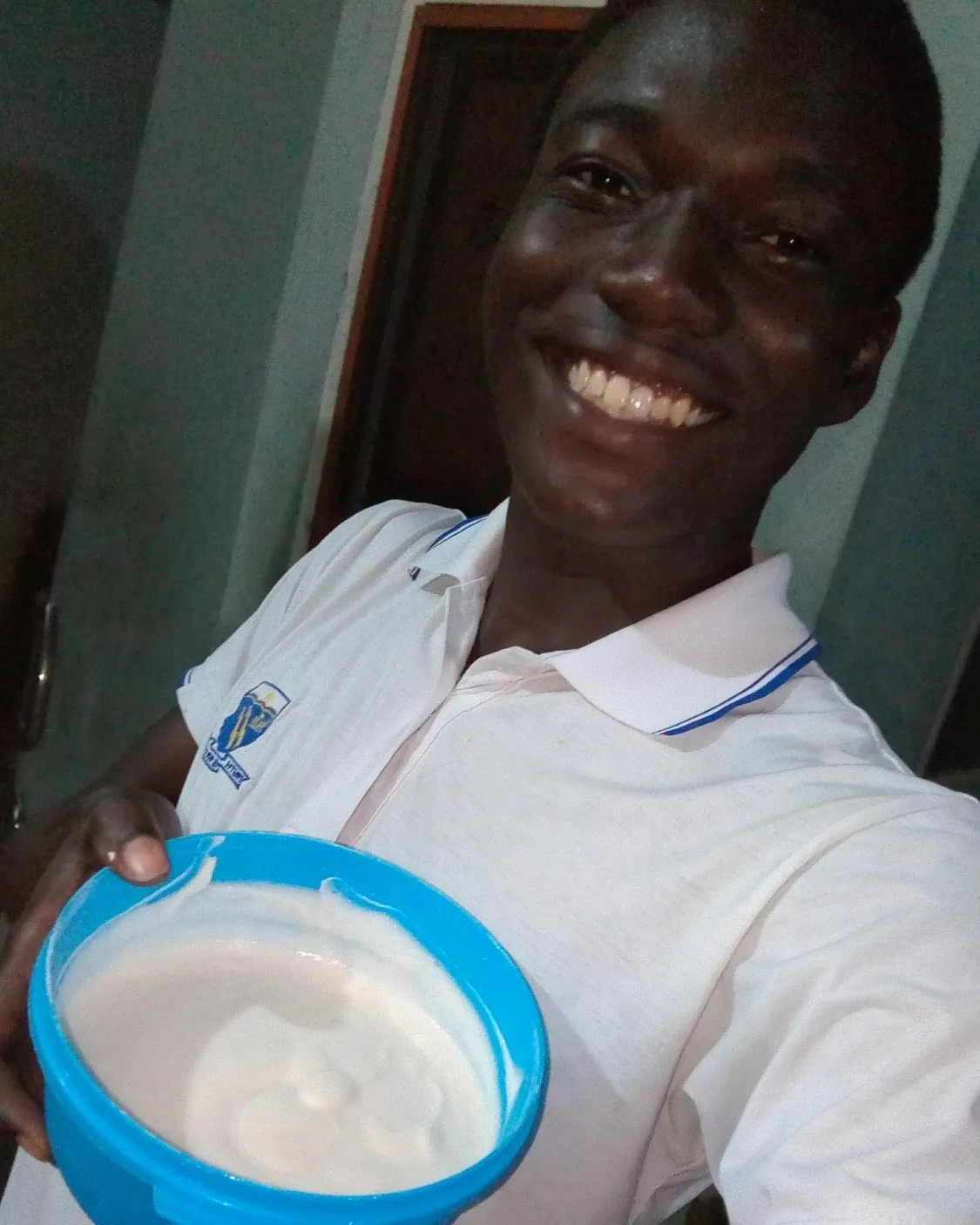
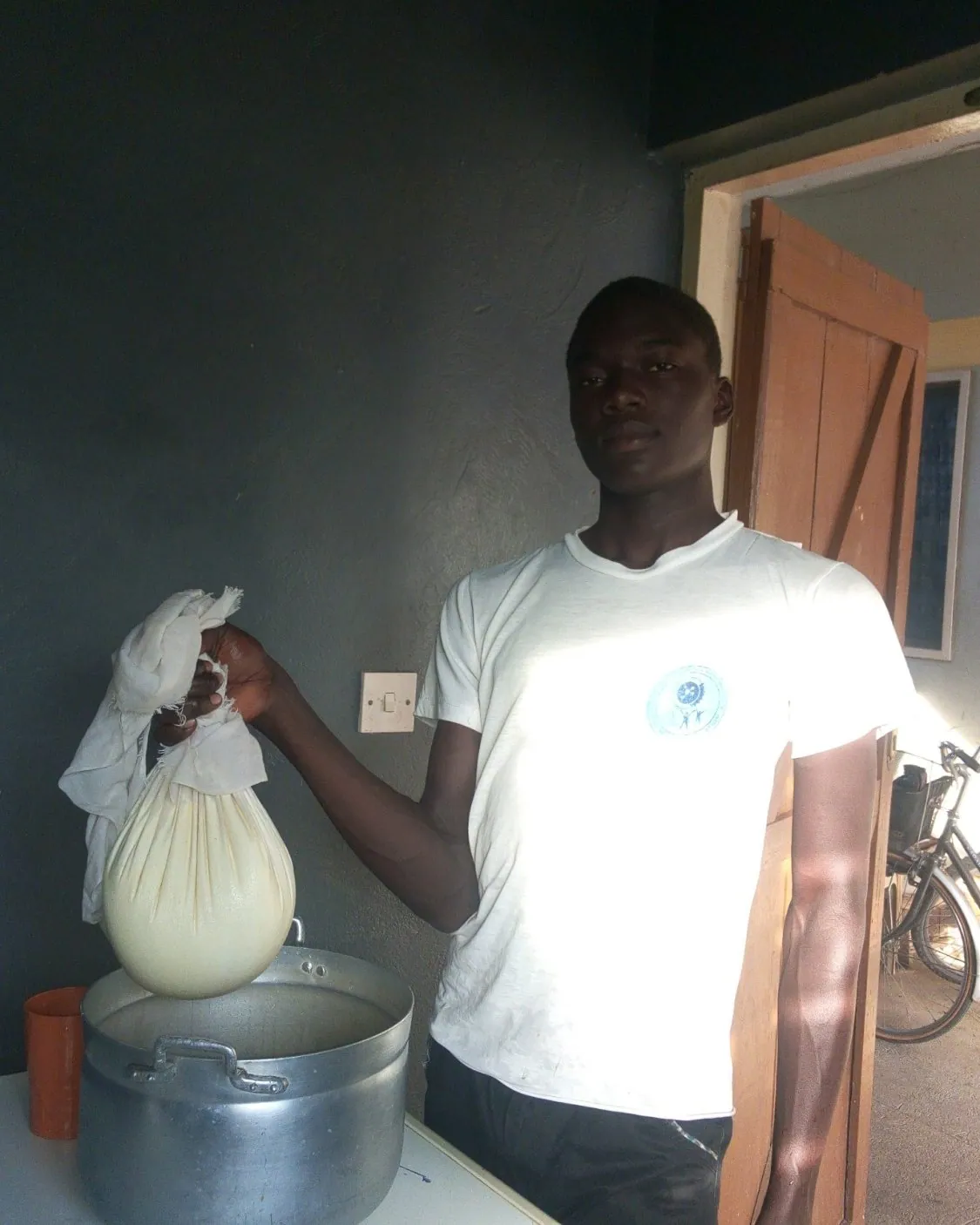
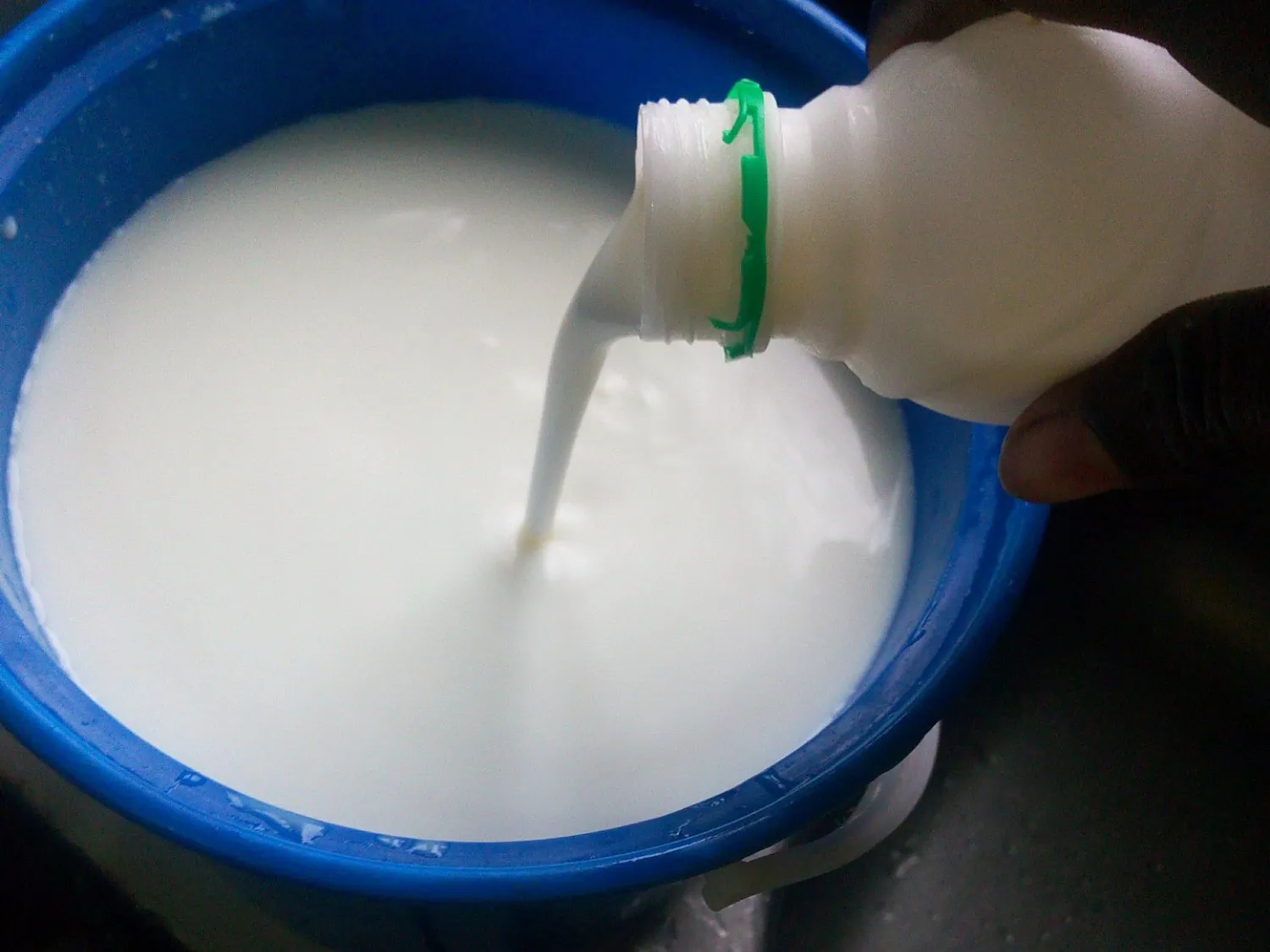
Making yoghurt

A younger Simon, grinning, holding up a blue bowl of thick homemade yoghurt
holding up our first yoghurt
A younger Simon holding a cloth bag of yoghurt to drain over a pot
straining the yoghurt
Milk being poured from a bottle into a blue bowl
culturing the first yoghurt

TapClick any photo to see it larger.

Gloria, Simon’s younger sister, smiling, in a yellow checked shirt
Illustration / waiting for milk, and Gloria’s pot

02Gloria’s drink

I didn’t particularly like sobolo, but I liked Gloria’s.

If you grew up in Ghana, you probably don’t need me to introduce sobolo. You know the red colour, and you probably have your own idea of how it should taste.

For me, the spices were the problem. I didn’t particularly enjoy them. But my younger sister Gloria was making a version without the spices, and I really liked it. It had a pleasant tartness that reminded me of cranberry juice.

While we were waiting to get more milk, I kept thinking about fermentation. Why not try it with the drink and see what happened?

It was curiosity. I liked the drink Gloria was making, and I wanted to know whether we could make something interesting from it.

So I tried a small batch.

Illustration / the first batch, opened

03The pop

The surprise came when I opened it.

When I came back to the drink, it looked fairly normal. I wasn’t expecting much from its appearance. Then I opened it, and it gave this pop and began to foam.

That really surprised me. The fizz was much stronger than I had expected, and it smelled so good that my little brother came over to find out what it was.

He wanted to try it straight away. I told him to wait because I hadn’t even tasted it myself, but he was determined to have some. He tried it and said it tasted really good.

Then I tasted it, and I understood what he meant. It had kept the pleasant tartness of the , but now there was this rich, fizzy character to it. My mother tried it too, and before long it became something we drank regularly at home.

Once you make something people enjoy in the house, word doesn’t always stay in the house.

One of our neighbours came by, saw the drink, and asked for some. He thought it was sobolo, which was understandable because of the colour. After tasting it, though, he wanted to know what it actually was.

Other neighbours tried it as well. They liked it, they wanted more, and some began telling us that we should sell it. That was when we started thinking seriously about making it a business.

Illustration / the first team

04The first team

My mother and I became the first team.

My mother was already a very disciplined person. As a school principal, she was well known and respected, and she paid close attention to details. That consistency became important when we started making more of the drink.

I handled the paperwork, registration, and the work of turning what we were doing into a business. She took responsibility for making the batches and maintaining the quality.

We were working with cultures and microorganisms, so we took the handling and preparation seriously. As demand increased, we continued learning how to maintain our standards while improving our inventory and our ability to supply people.

We sometimes say that the business started with zero capital. What we mean is that it grew from something we were already making at home, with very little money to begin with. We didn’t have outside funding behind us. People wanted the product, and that demand allowed us to keep going and gradually build the business.

We have been doing that since 2014, and my mother and I still run HealthyCup together.

Illustration / the name that stayed

05The name

How Simon Roselle got its name.

At first, I wanted to call the drink Probiotic . We also wanted people to understand that, although it looked like the sobolo they knew, they were going to have a different experience when they tasted it.

That was why I preferred the name Roselle. It gave us a way to introduce the drink on its own terms, without someone expecting the ginger and spices they might normally associate with sobolo.

My mother added Simon because I had started the experiment. That was how we arrived at Simon Roselle.

The company name came from the wider purpose we had in mind. We wanted to bring health to people’s cups, and HealthyCup expressed that ambition. It also gave us a name under which we could make other products, rather than naming the whole company after one drink.

Illustration / from our table to more homes

06What’s next

What we want HealthyCup to become.

For my mother and me, the interest in food and health is personal. Our experience at home gave us a reason to keep learning about what we were making and to think about how more people could have access to it.

Today, our range includes Simon Roselle, yoghurt, cashew milk, roasted cashews, and honey. We want people to find products they enjoy, but we also want them to understand more about their food.

That educational side is important to us. Probiotics and fermentation can sound complicated when you first encounter the words. We want to explain them in a way that makes sense, answer people’s questions, and make it easier to understand what is known and what is still being researched.

Our ambition is to make probiotic foods and drinks familiar and accessible in Ghanaian households. As we grow, we hope to reach more homes across Africa and eventually beyond it.

…to your cup.

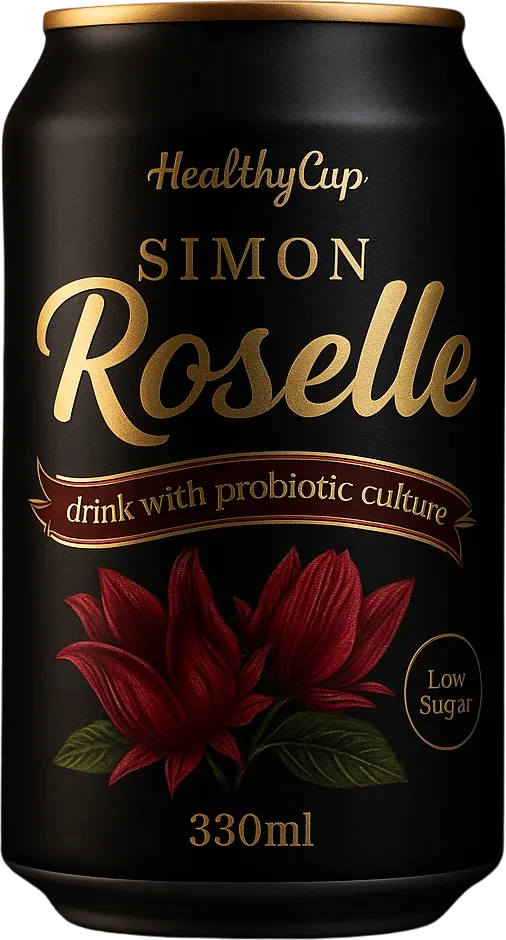
A rendition of a black and gold 330 ml can of low-sugar Simon Roselle
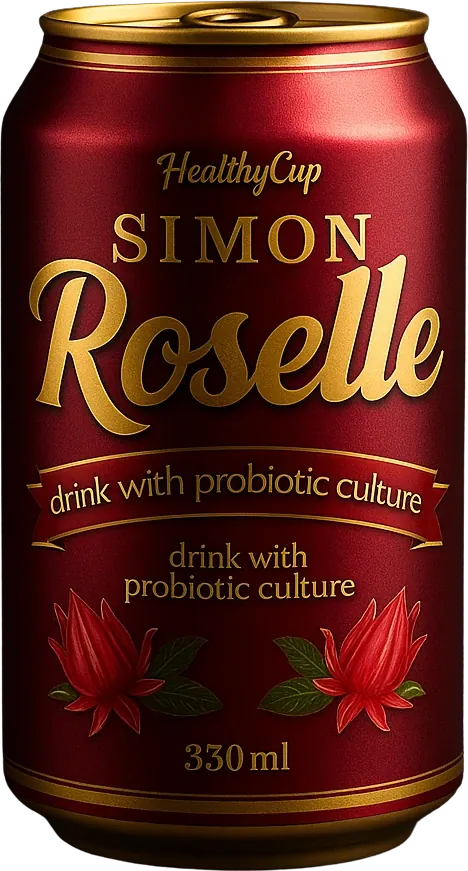
A rendition of a ruby and gold 330 ml can of Simon Roselle, drink with probiotic culture
renditions of what’s to come

Where we’re headed

Simon Roselle, in a can.

This is how we picture it: Simon Roselle in cans, within reach of every Ghanaian.

A healthy drink should be as easy to pick up as a soda. We want Simon Roselle on the same shelf, in the same fridge, and rivalling it.

Join the journey.

We’re open to investors, partners, and anyone who wants to help put a healthy drink in every Ghanaian home. If that’s you, talk to us.

We’re still building it together.

When I think about HealthyCup, I think about the people who helped it take shape: my mother, who gave us the knowledge to begin and the discipline to keep making it well; Gloria, whose drink gave me an idea; my little brother, who was so eager to have that first taste; and the neighbours who encouraged us to make more.

It grew out of ordinary life at home, and that is still where we want it to belong—in people’s everyday lives.

We’re glad you’ve taken the time to get to know us. Have a look at what we make, and if there is something you want to understand better, ask us. Sharing what we learn is part of why we started HealthyCup in the first place.

Simon

HealthyCup, Ghana.

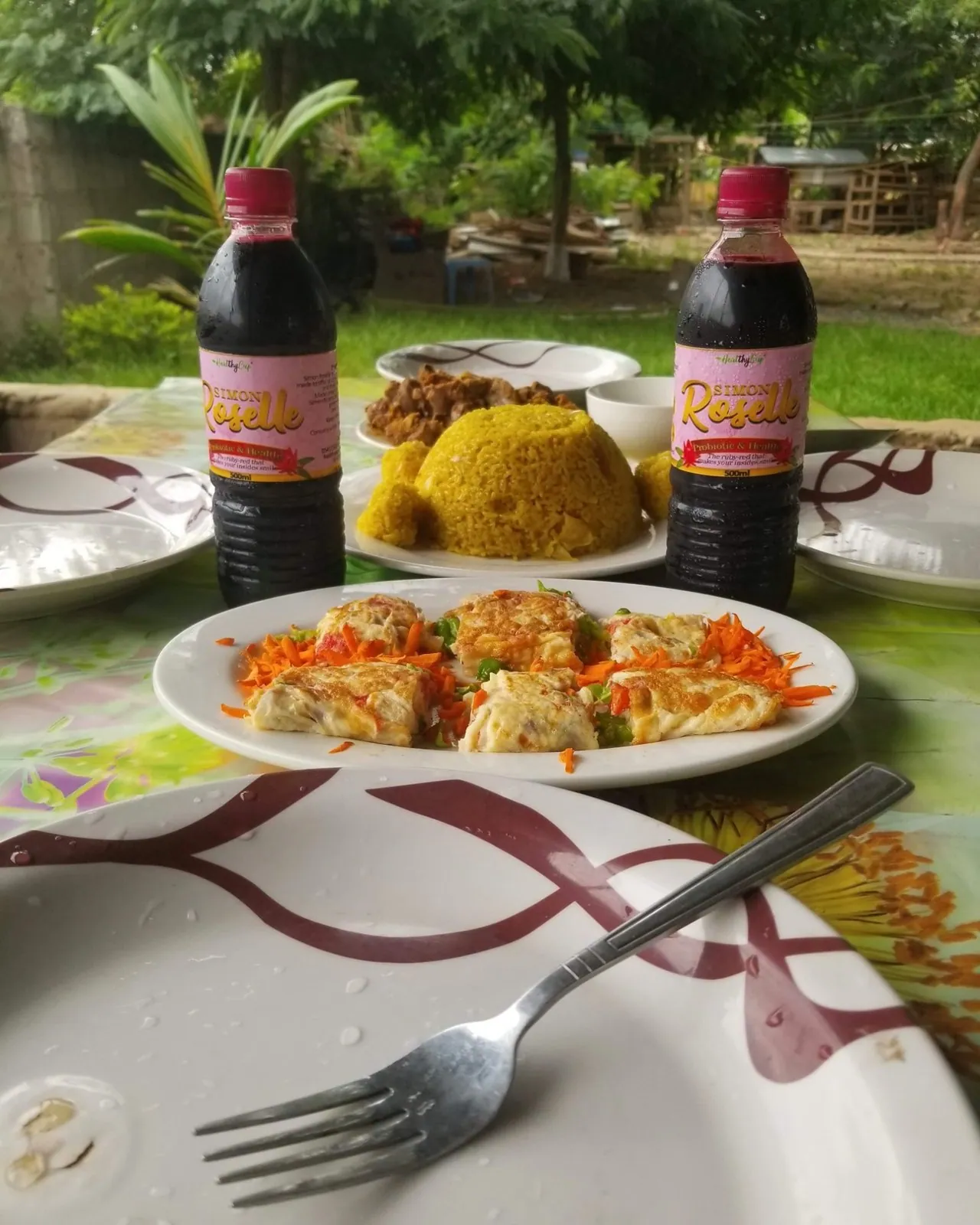
Two bottles of Simon Roselle on a garden table, set for a family meal
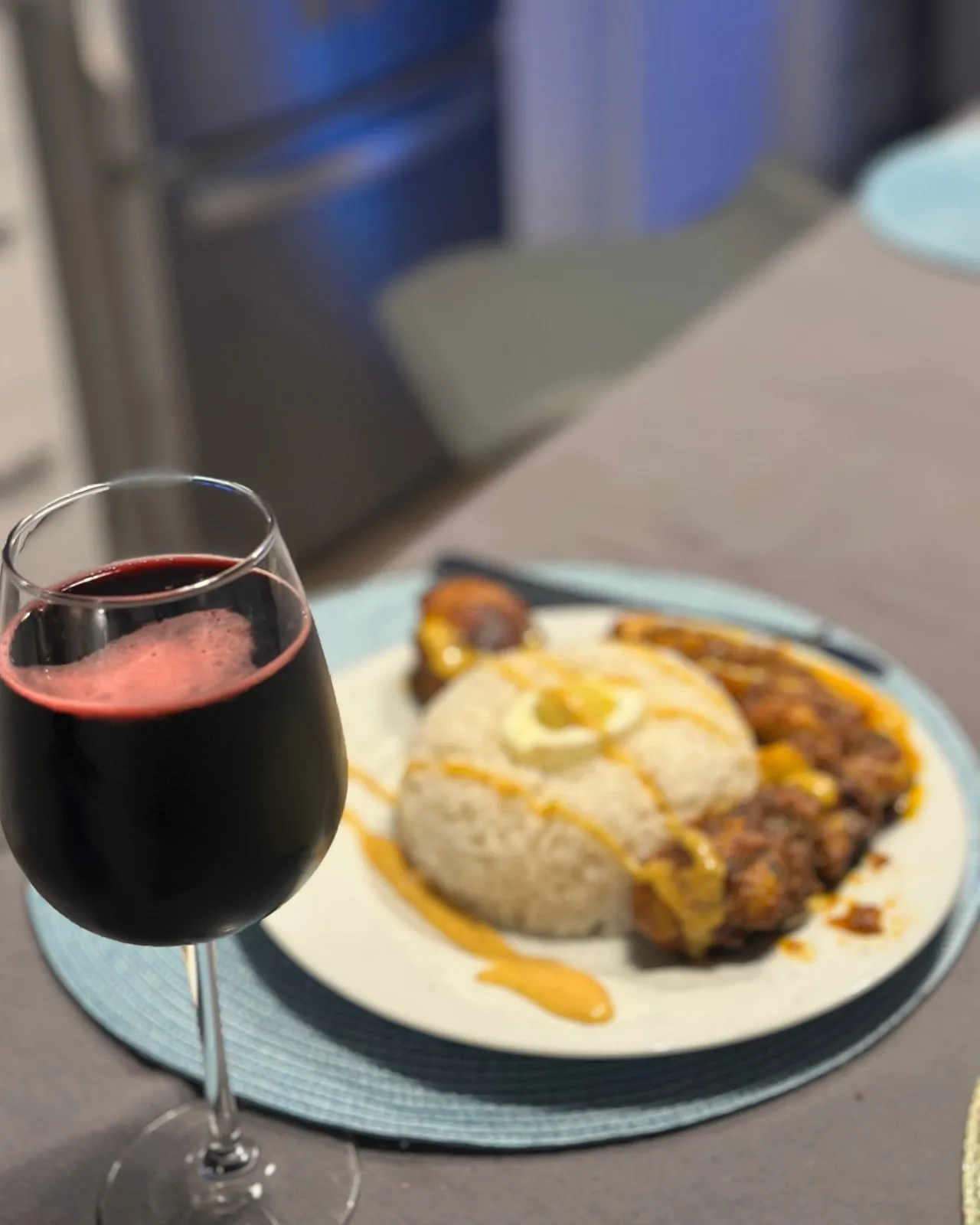
A glass of Simon Roselle beside a plate of rice and chicken stew
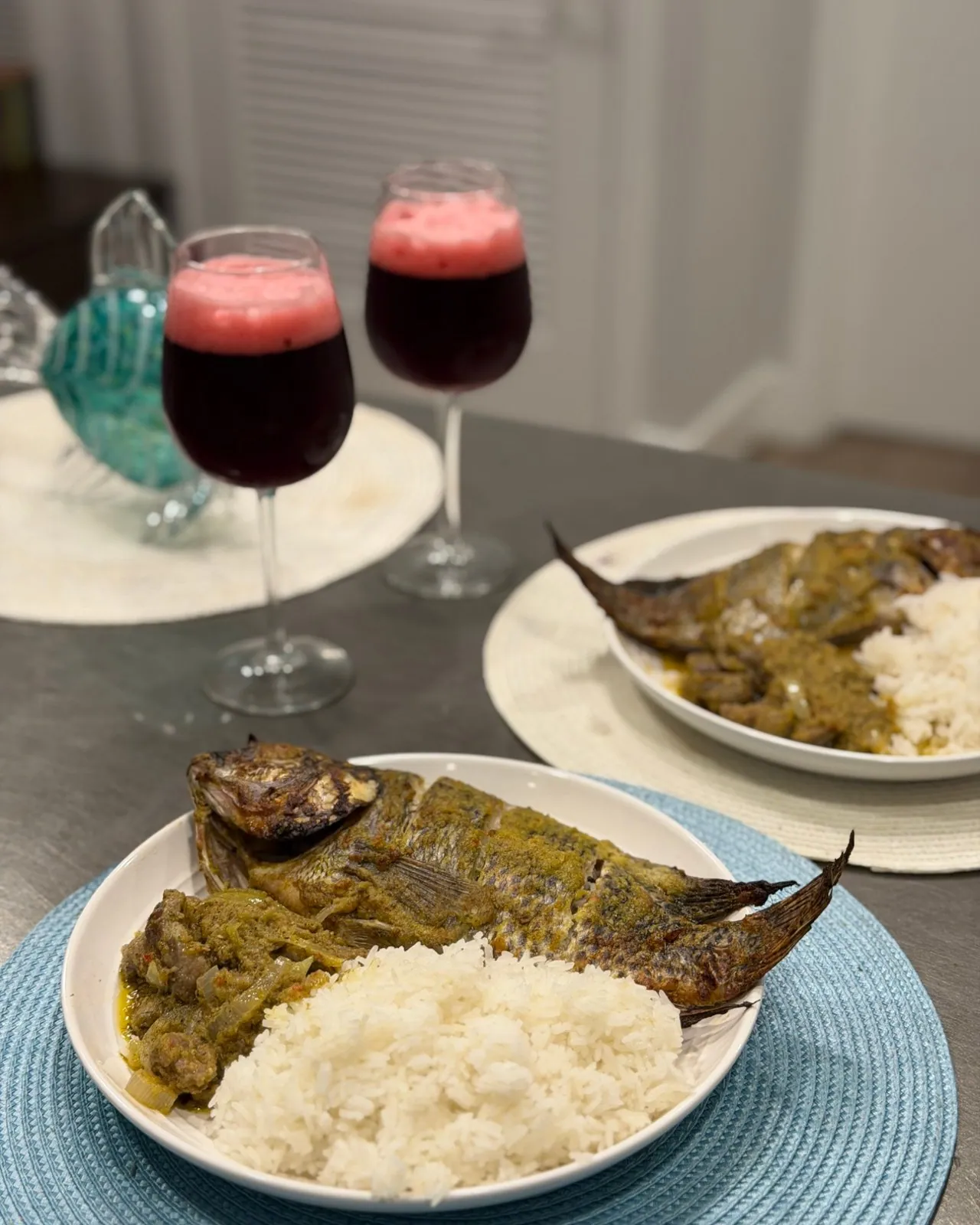
Two glasses of Simon Roselle with plates of rice and tilapia
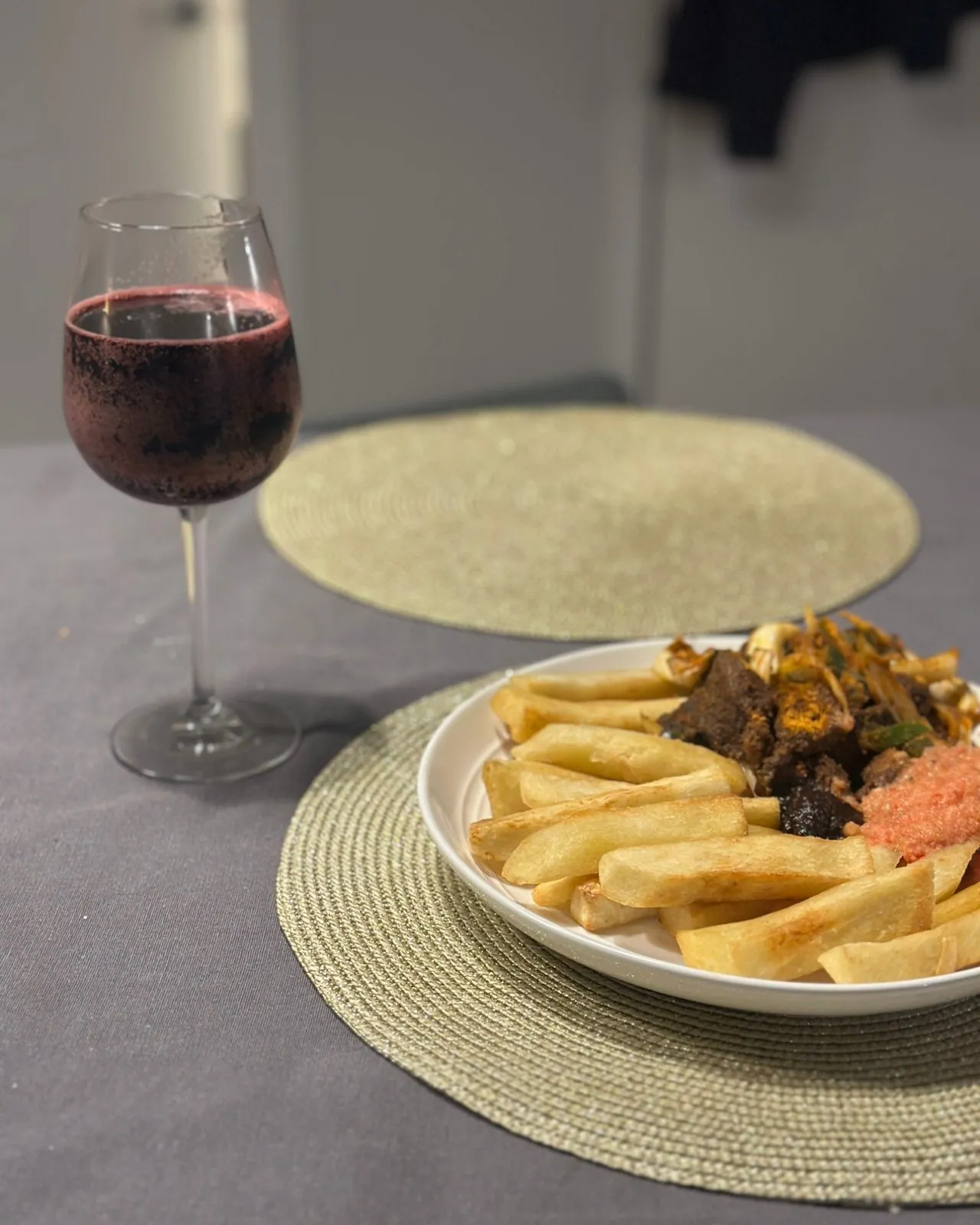
A glass of Simon Roselle beside a plate of fried yam and meat
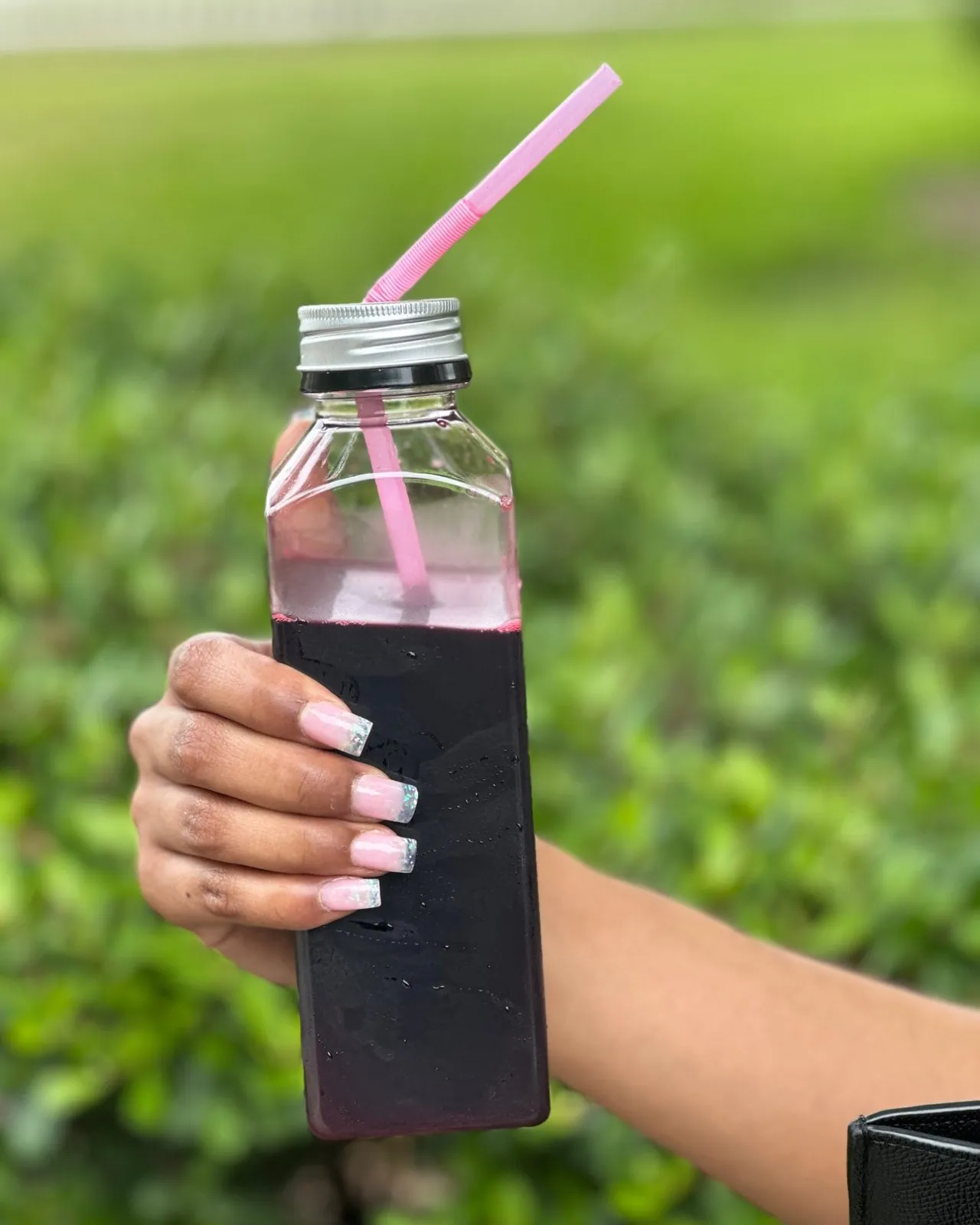
A hand holding a bottle of Simon Roselle with a pink straw, against green leaves

Enjoy Simon Roselle with any dish, or on the go.

HealthyCupFrom GH₵ 8 · reply on WhatsApp
Order